Beef Lo Mein: Like Takeout, but Better
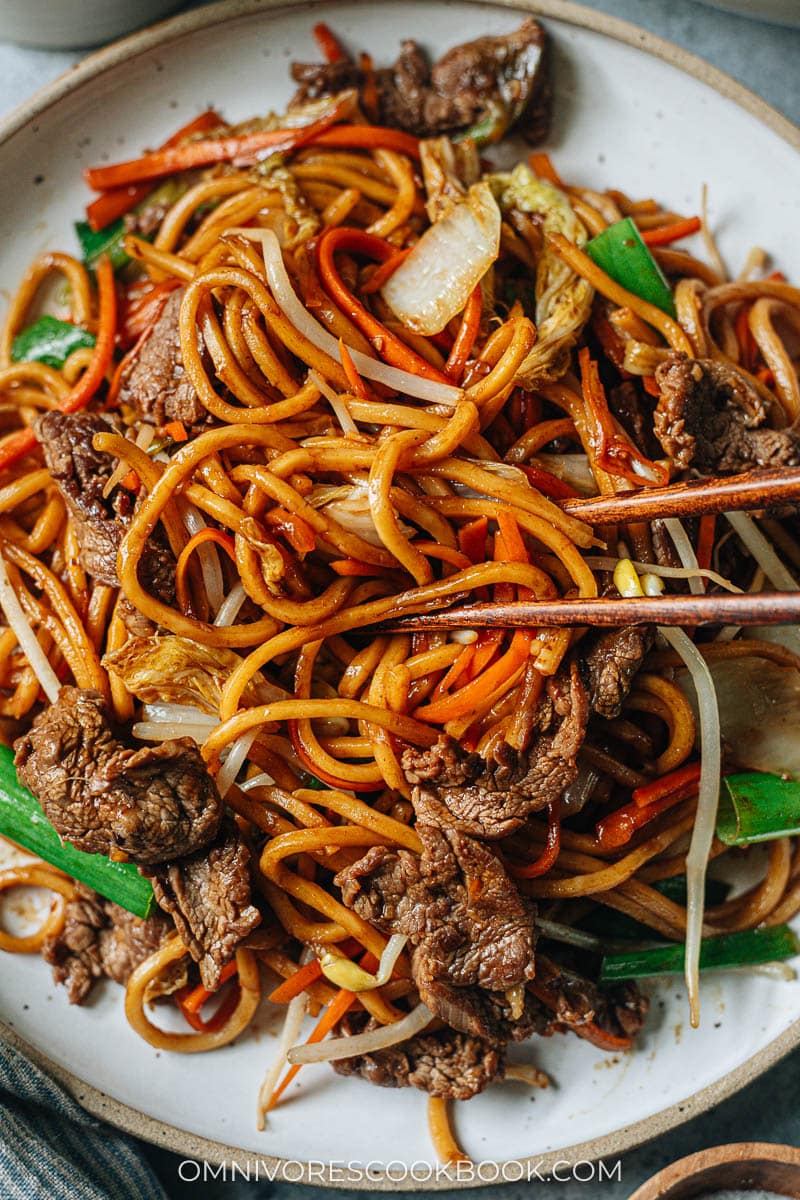
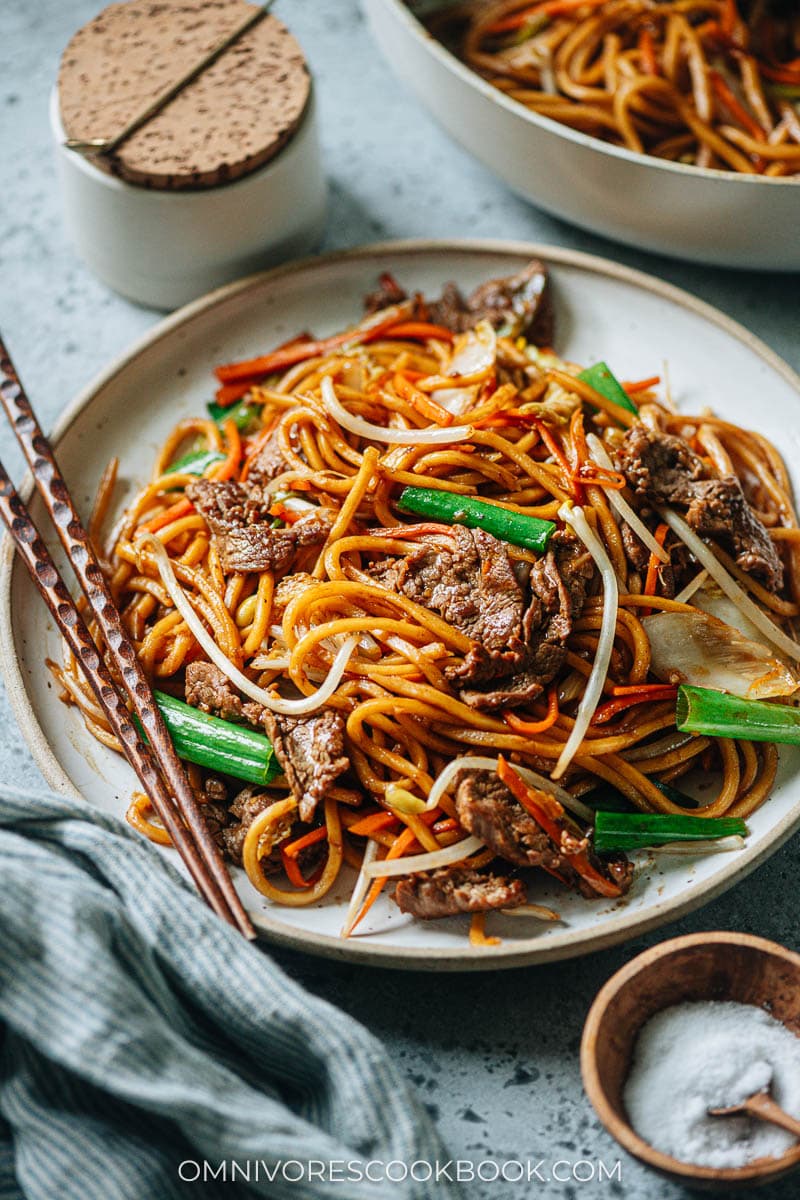
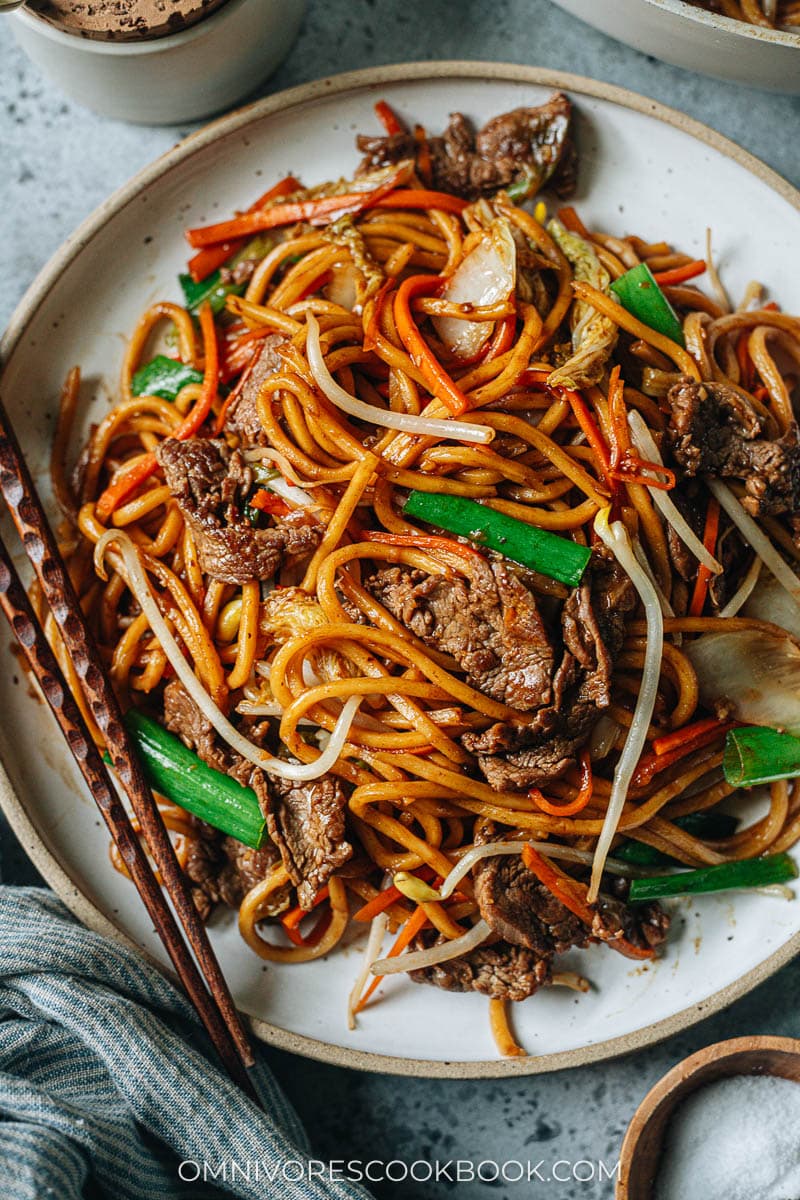
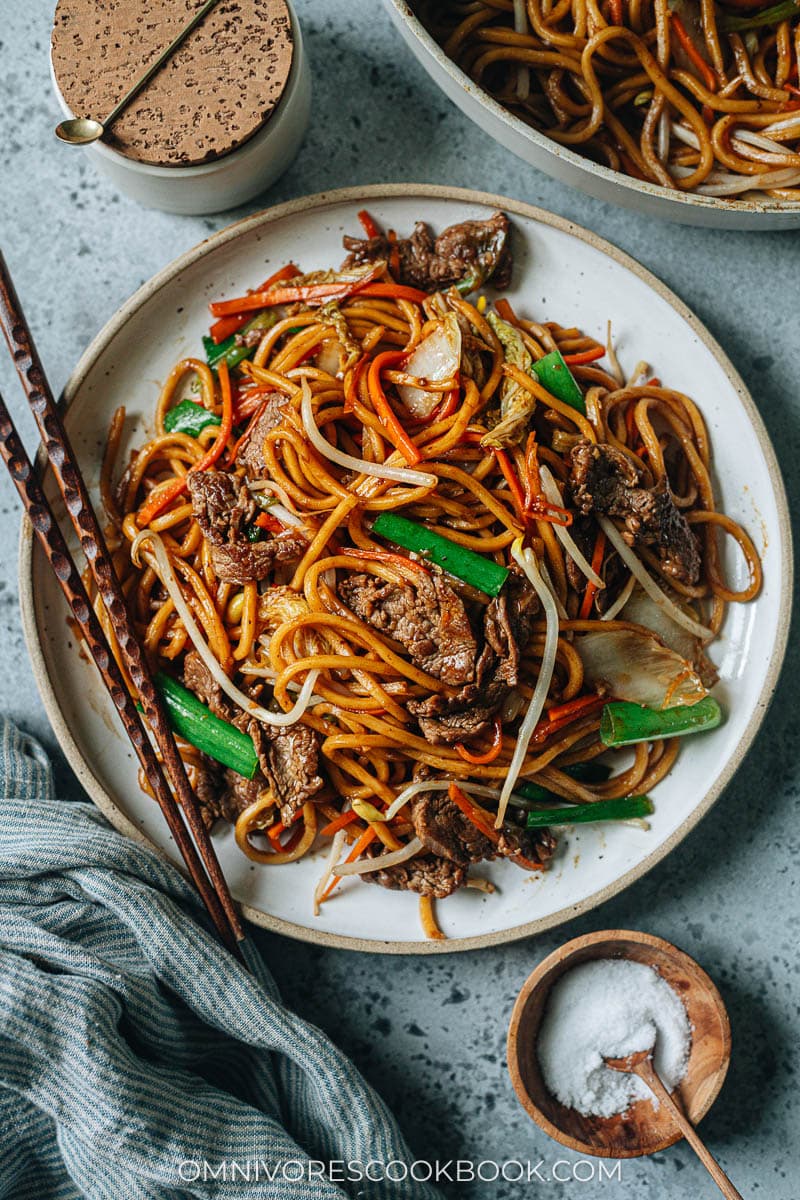
What’s your favorite Chinese takeout dish? One of mine is beef lo mein. I can’t resist the allure of discovering tender beef slices amid a sea of noodles and vegetables. Or that sauce! It’s really delicious and comforting, but I know of something even better…making your own beef lo mein at home! Yes, you can do it too! Get takeout-style beef lo mein that tastes even better than your favorite Chinese takeout place.
Ingredients for beef lo mein
What type of noodles to use?
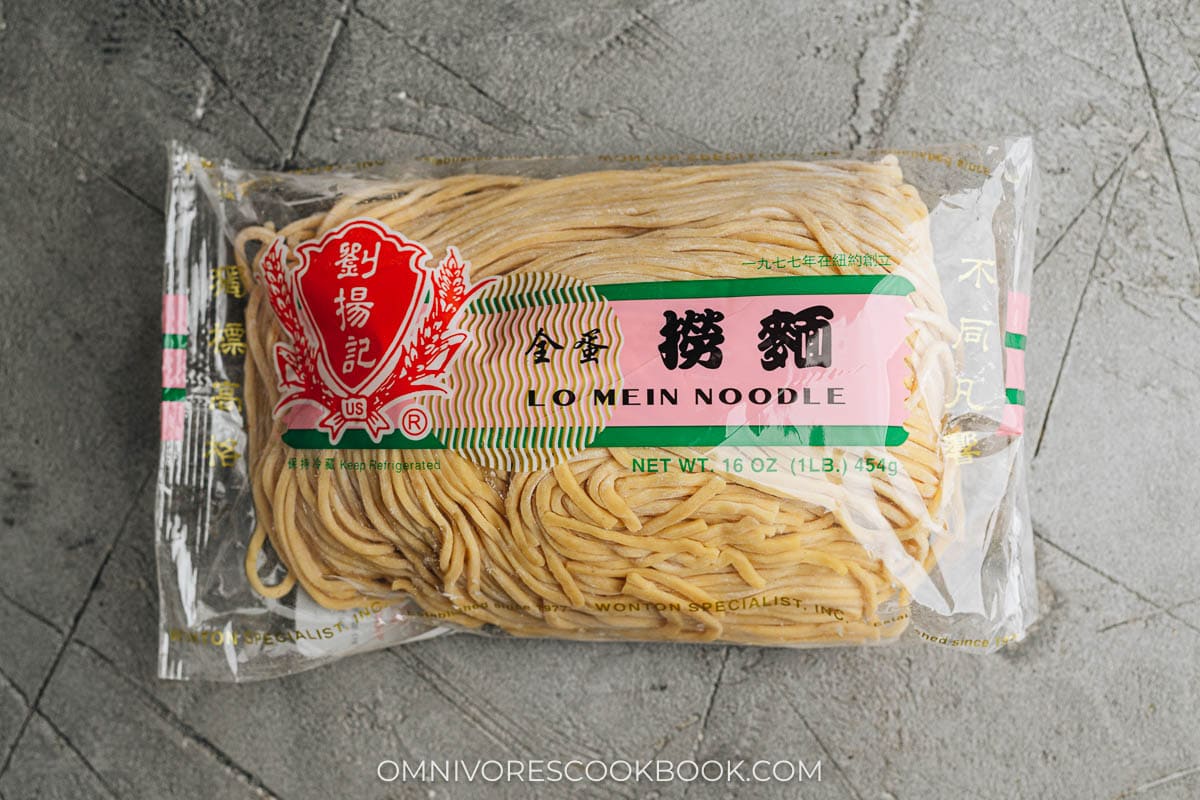
One of the most important things for great tasting beef lo mein is to use the correct noodles. Beef lo mein is very similar to beef chow mein. The biggest difference is that beef lo mein uses very thick egg noodles that create a wonderful chewy texture. My favorite noodles for this are fresh lo mein noodles. You can find them at Chinese markets or large Asian markets such as H Mart. They are usually stored in the refrigerated or freezer section. You can also find them at online Asian grocery stores such as Umamicart. Alternatively, I’ve found that udon noodles and thicker dried wheat noodles also work in this dish. And yes, you can use spaghetti in this recipe. It will turn out deliciously, but the texture of the noodles will be a bit different, so get ready for that. You will want to undercook the spaghetti slightly, so that it reaches just the right doneness after you mix and stir fry it in the skillet. However, I highly recommend sourcing fresh lo mein noodles if you want to replicate the restaurant experience. Unlike dried noodles, fresh lo mein noodles yield the satisfying chewy texture that is the highlight of the dish.
Mise en place
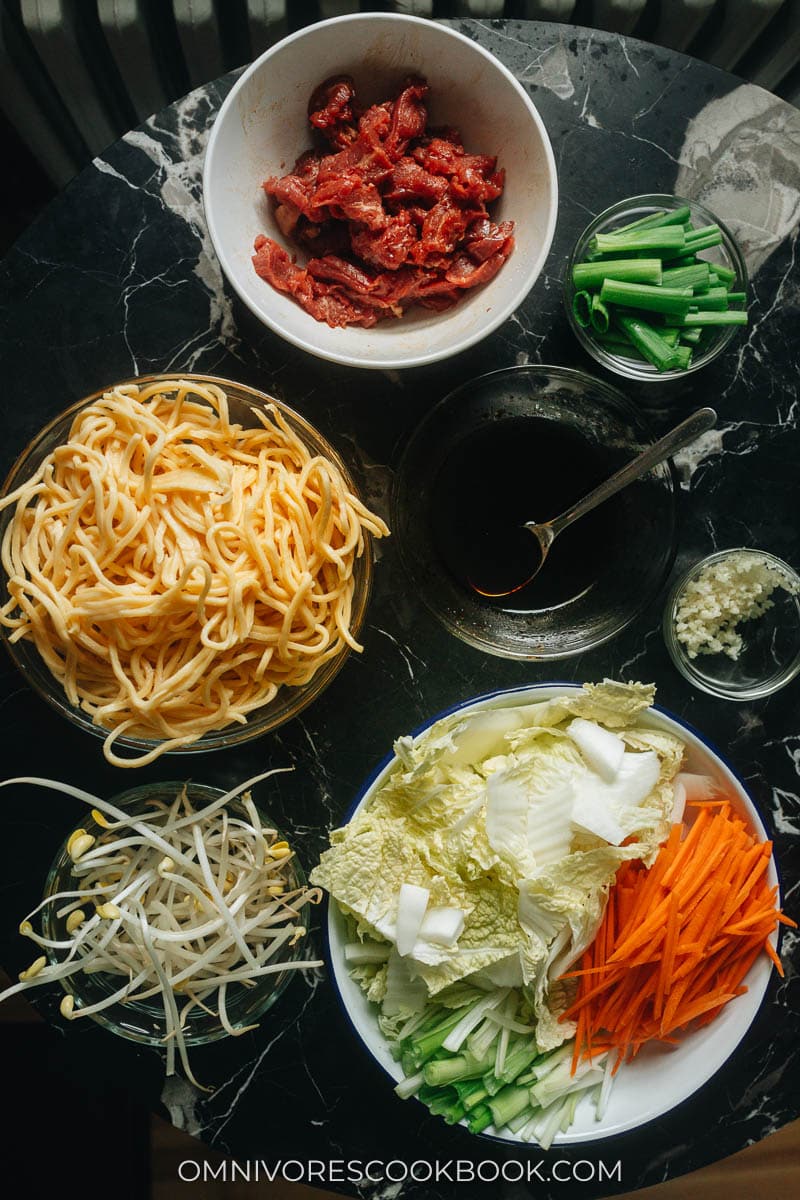
When you’re ready to cook beef lo mein, your table should have these ingredients ready:
Marinated beef Boiled noodles Mixed sauce Sliced aromatics (garlic, green onion) Prepped vegetables (napa cabbage, carrot, bean sprouts
While the ingredient list looks a little long, don’t be overwhelmed. Most of the items are Chinese pantry staples you should already have around. Shaoxing wine, light soy sauce, dark soy sauce, oyster sauce, and sesame oil are all indispensable in terms of cooking Chinese food. If you are looking to get more into Chinese cooking, the small amount that you spend on these ingredients will pay off handsomely as you cook delicious food with them over and over again. For dishes like this, I recommend soy sauce from Pearl River Bridge and oyster sauce from Lee Kum Kee. Both are widely used in China and most Asian grocery stores in the US carry them.
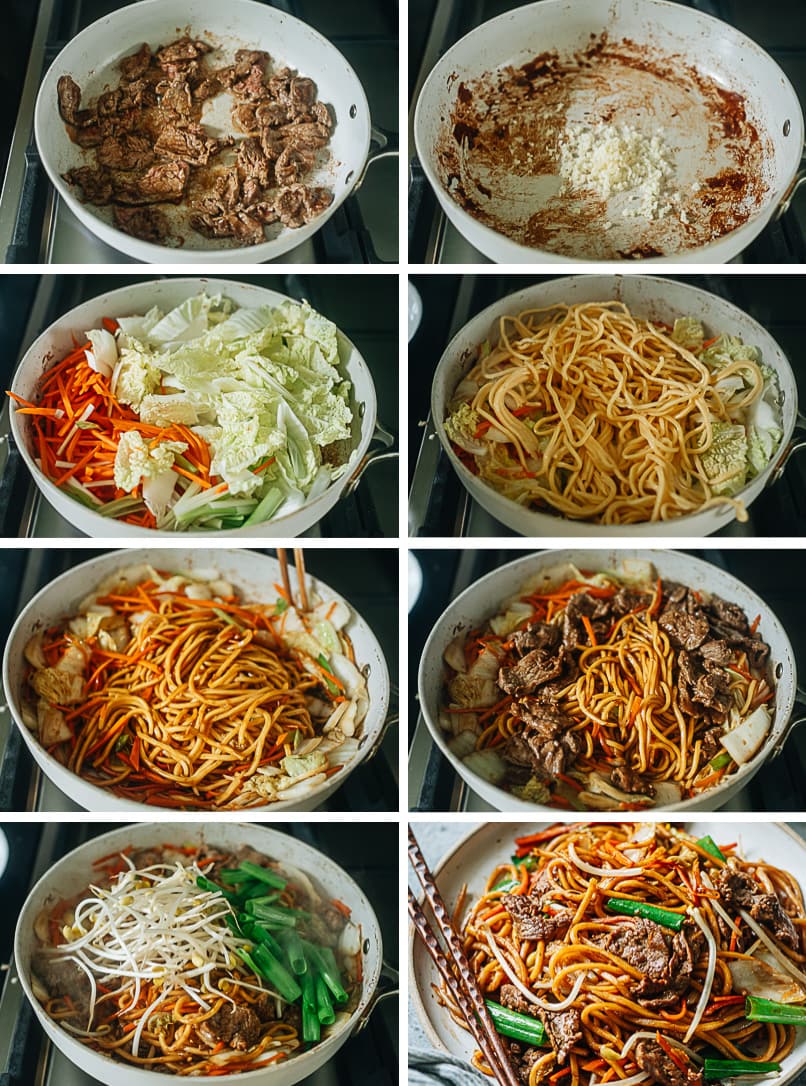
How to cook beef lo mein
What will make this recipe even easier, especially if it’s your first time making beef lo mein, is to keep your ingredients grouped together in the order that you’ll be adding them to the pan. If you arrange them in a row that goes from garlic to green onion whites to onions to carrots to cabbage, you won’t miss a beat. The bean sprouts and the green portion of the green onions will go in at the end.
How to serve beef lo mein
You can serve beef lo mein as a one-pot meal for either lunch or dinner. You can also serve it as one of the dishes for a multi-course dinner, just like you’d order in a Chinese restaurant. I recommend serving beef lo mein with: egg drop soup, sweet and sour chicken, broccoli and mushroom stir fry, and egg rolls. Another pro tip: this beef lo mein recipe makes for an excellent lunch of leftovers. Depending on how many people you share your noodles with the first time around, you may get lucky and have a lunch that is the envy of everyone!
Other delicious Chinese takeout at home
Chicken Fried Rice Easy Mongolian Meatballs General Tso’s Chicken (Crispy Chicken Without Deep-Frying) Kung Pao Shrimp (宫爆虾球) Chicken Mei Fun Chicken Egg Foo Young
Lilja Walter is a part of the Omnivore’s Cookbook team and worked closely with Maggie to develop and test this recipe.