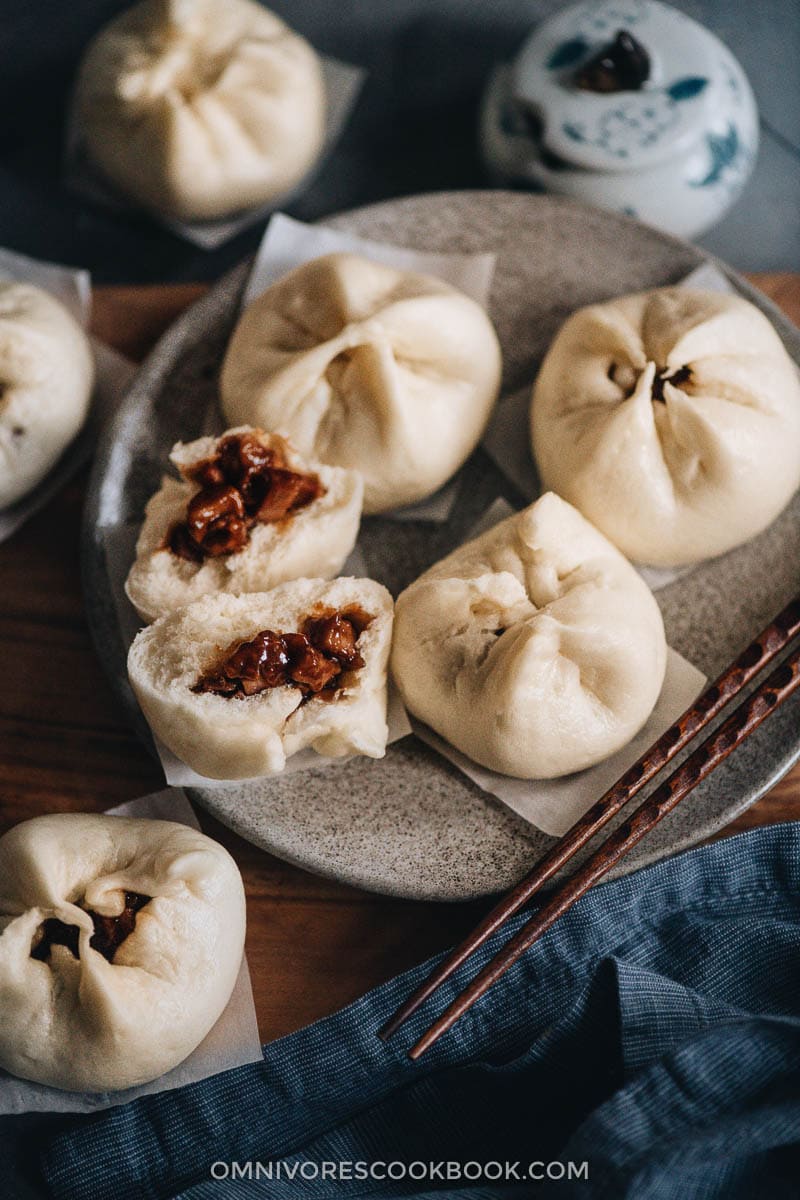
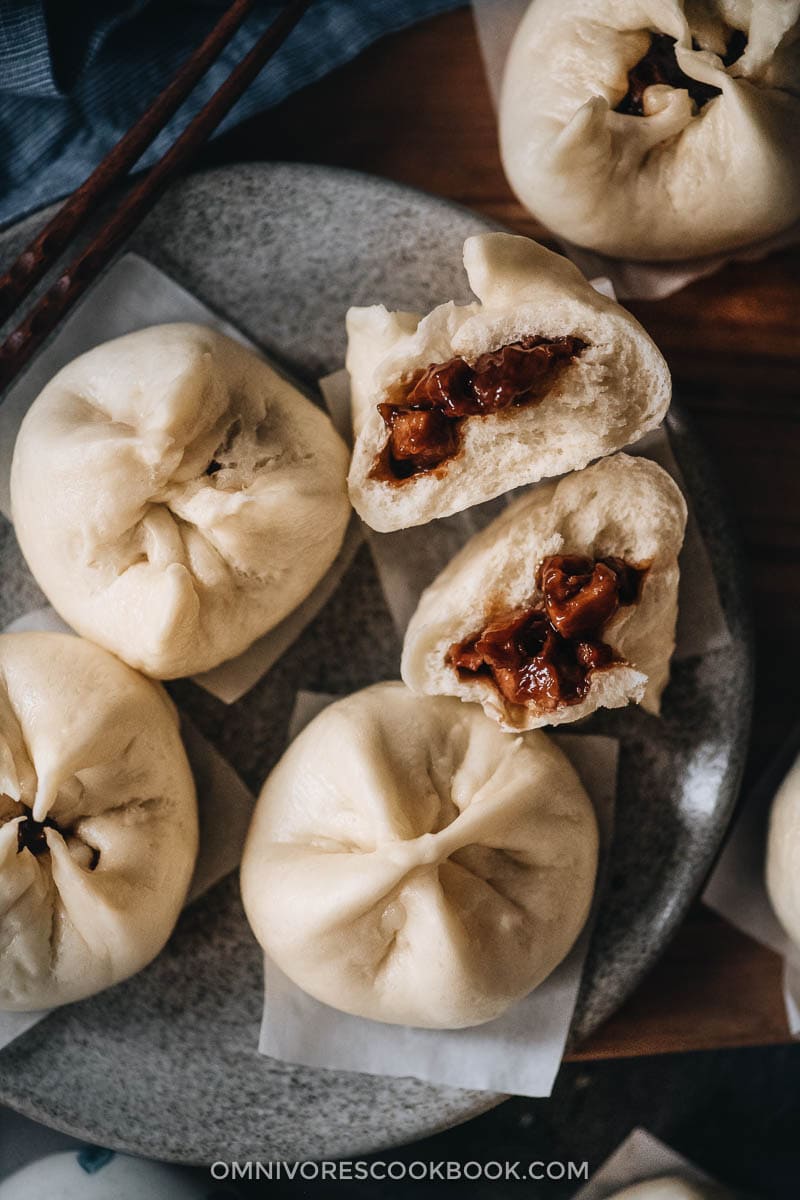
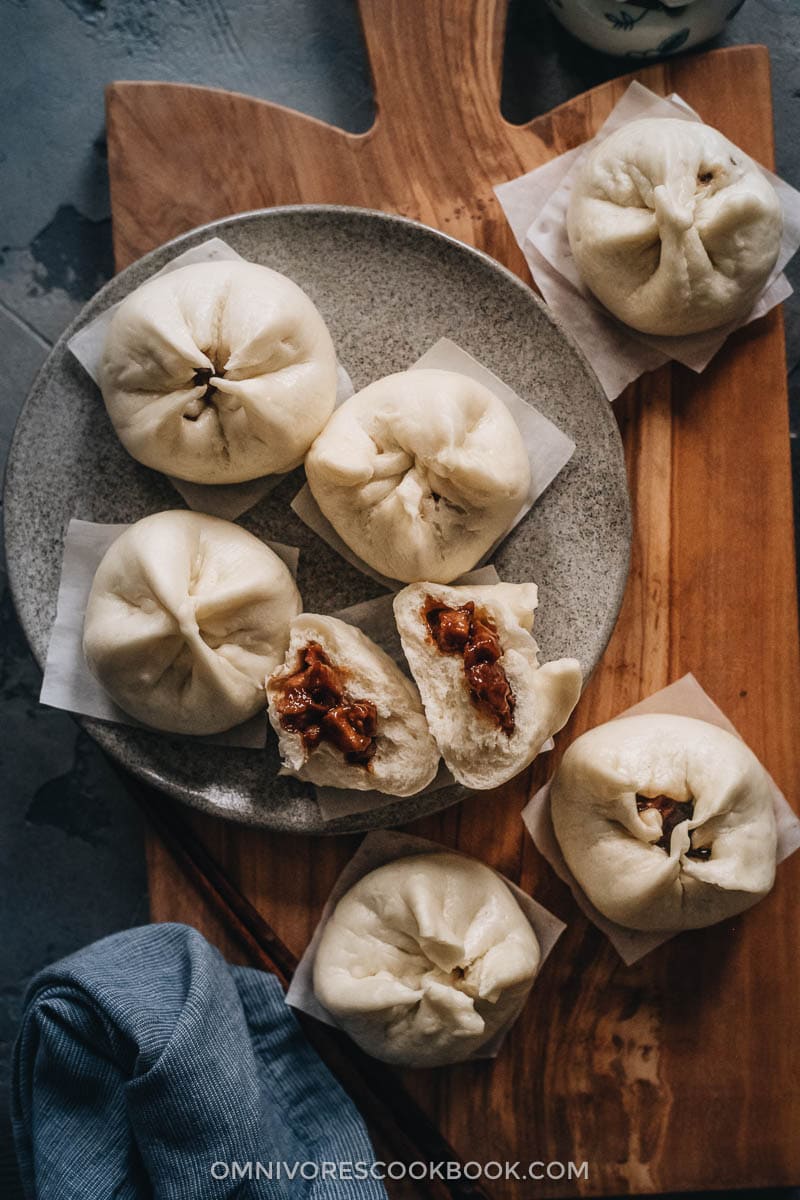
Char Siu Bao are the dim sum superstar that everybody loves. You cannot go to a dim sum restaurant and leave without having tried the super fluffy buns with chunks of BBQ pork in a bold sweet-savory sauce. The beauty of these steamed BBQ pork buns is the soft and fluffy bread that is silky smooth on the surface. The buns crack open on the top, revealing the goodness inside and releasing its wonderful fragrance. The tender, chunky pork is coated with a sweet glaze, which pairs perfectly with the fragrant bread. It is a great way to use up leftover Char Siu (Chinese barbecue) roast pork and create something even fancier than the original dish. Usually, something this decadent requires a lot of time and elbow grease. This recipe uses a KitchenAid stand mixer to knead the dough, so it’s quite approachable for any home cook. I also love the homemade version more than the ones from the Chinese bakery, which is often made with very fatty pork. I used lean pork to make these buns, which cuts the greasiness and still hits all the right spots.
Why this recipe
The dough is smooth on the surface, very fine in texture, and fluffy, just like the ones served at dim sum houses.The pork filling is super saucy, just like the authentic version.The recipe uses a KitchenAid stand mixer to give you maximum hands-off time. You can get these pork buns ready in under an hour once the dough is rested.These buns are freezer-friendly. You can make them in advance and impress guests at your dim sum party.I provided step-by-step pictures and a video, so you can easily follow the recipe without any prior dim sum making experience.
What flour to use
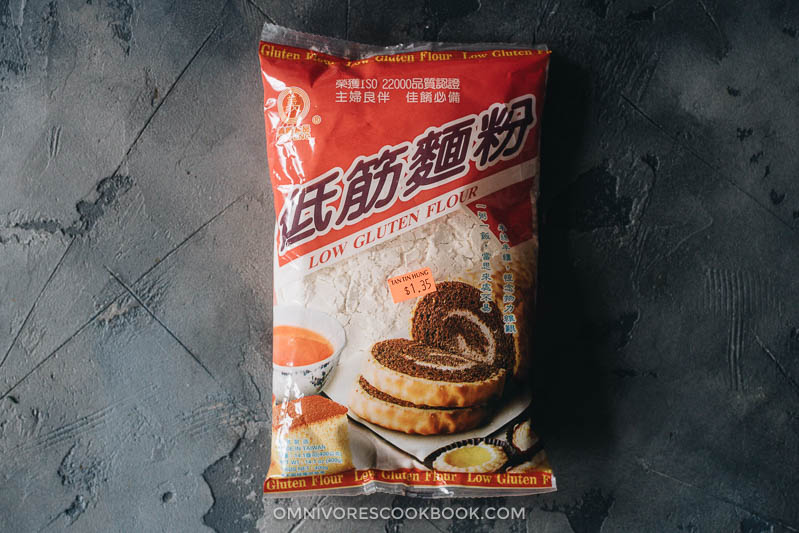
We tried both cake flour and Chinese low-gluten flour, and found that the low-gluten flour yields a marginally better result.
What is low-gluten flour
Low-gluten flour, or 低筋面粉 (Di Jin Mian Fen), is a type of flour blend that is commonly used in Asian dim sum, baked goods, and desserts. It consists of regular wheat flour with added wheat starch to create a low gluten percentage, which produces a soft-textured dough. Note, low-gluten flour is different from cake flour, which achieves a low gluten ratio by using a different process to grind the flour. I checked the protein content on both types of flour and found that low-gluten flour actually contains slightly more gluten content than cake flour, but still lower than all-purpose flour.
Cake flour vs. low-gluten flour
When using the low-gluten flour, the result of the buns is smoother on the surface and has that dim sum look. The texture of the dough is also a bit smoother. The cake flour yields a whiter bun (probably because the flour is bleached), but the surface is slightly uneven. In conclusion, you should go with low-gluten flour if you’re looking for a perfect result that resembles the authentic char siu bao. If you cannot find low-gluten flour or want to skip a run to Asian grocery store, cake flour will do just fine.
Workflow
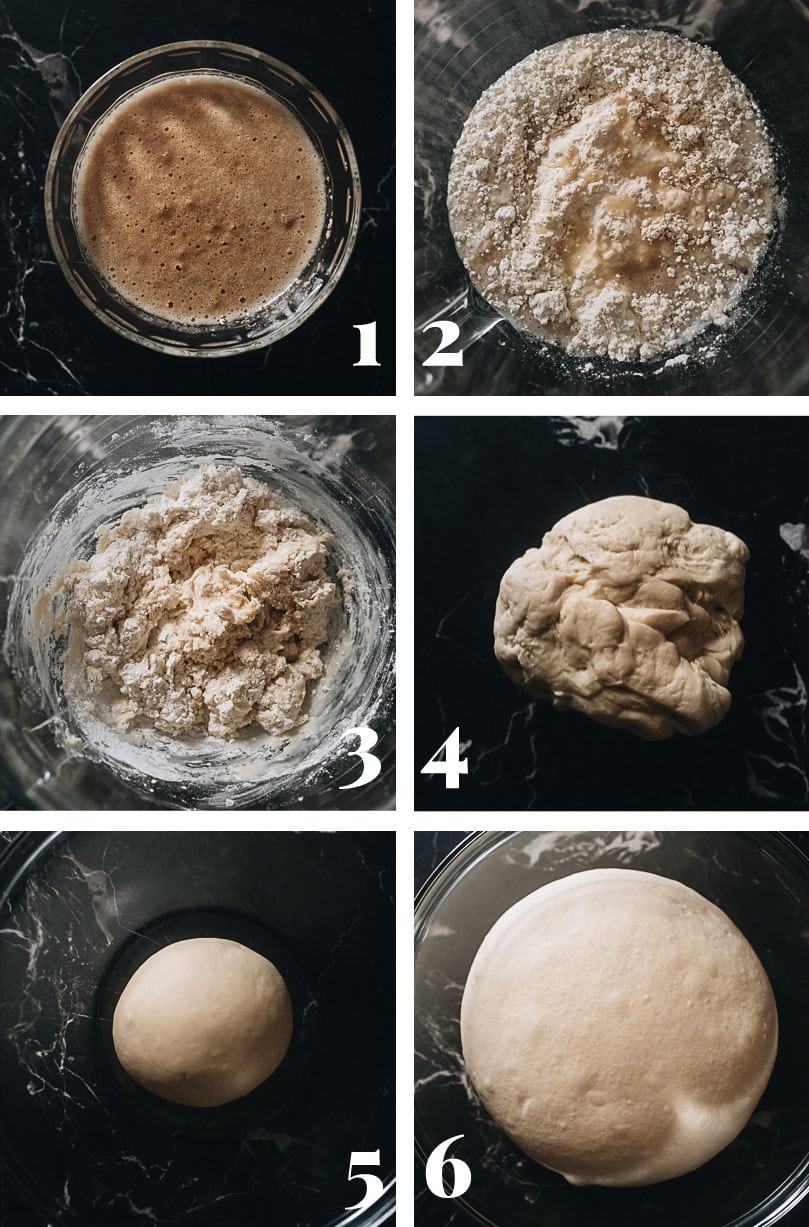
1. Prepare the dough – 1st rise
If you do not want to use a mixer, it’s possible to knead the dough with your hands, especially if you have some bread making experience. You might need to knead the dough a bit longer to achieve a good result.
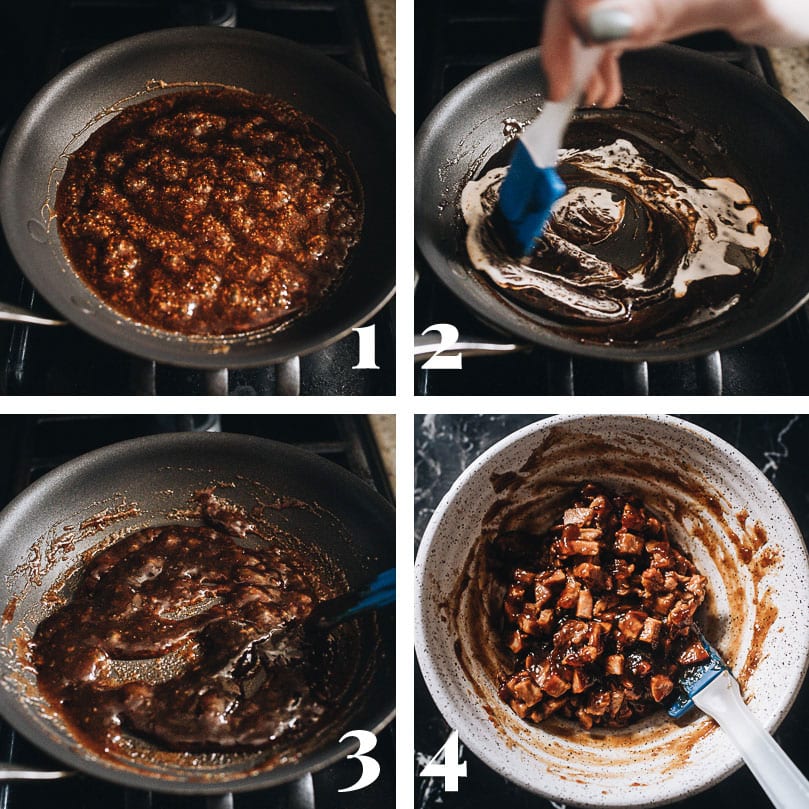
2. Make the filling
You can use the leftover pork from my Char Siu (Chinese BBQ pork) recipe, or you can purchase some char siu pork from a Cantonese restaurant. If neither works for you, try using some not-so-heavily-seasoned roasted pork from a grocery store deli. This recipe makes a very flavorful BBQ sauce so you can still get very good pork buns with regular roast pork.
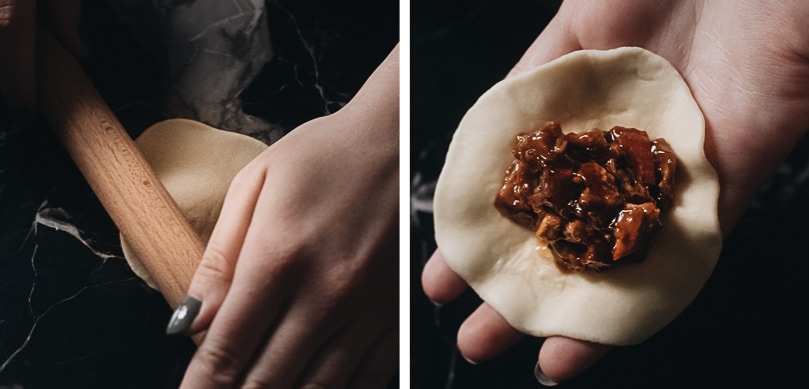
3. Roll the dough
Once the dough is rested, it’s ready to use. You will need to punch the air out and divide the dough into 16 pieces. To make the pork bun wrapper, roll the dough ball with a rolling pin to form a round disk that is thick in the center and thin on the edges. Because we will fold the buns later and that process will make top of the buns thicker. By keeping the center of the dough thicker, you will get an even thickness in the finished product. Note: I highly recommend working on the dough in small batches. Once you divide the dough, keep the rest of the dough balls under a sheet of plastic wrap or a few layers of damp paper towels to cover the dough and prevent drying out. Once you wrap the buns, use the same method to keep the buns from drying out while they rise the 2nd time.
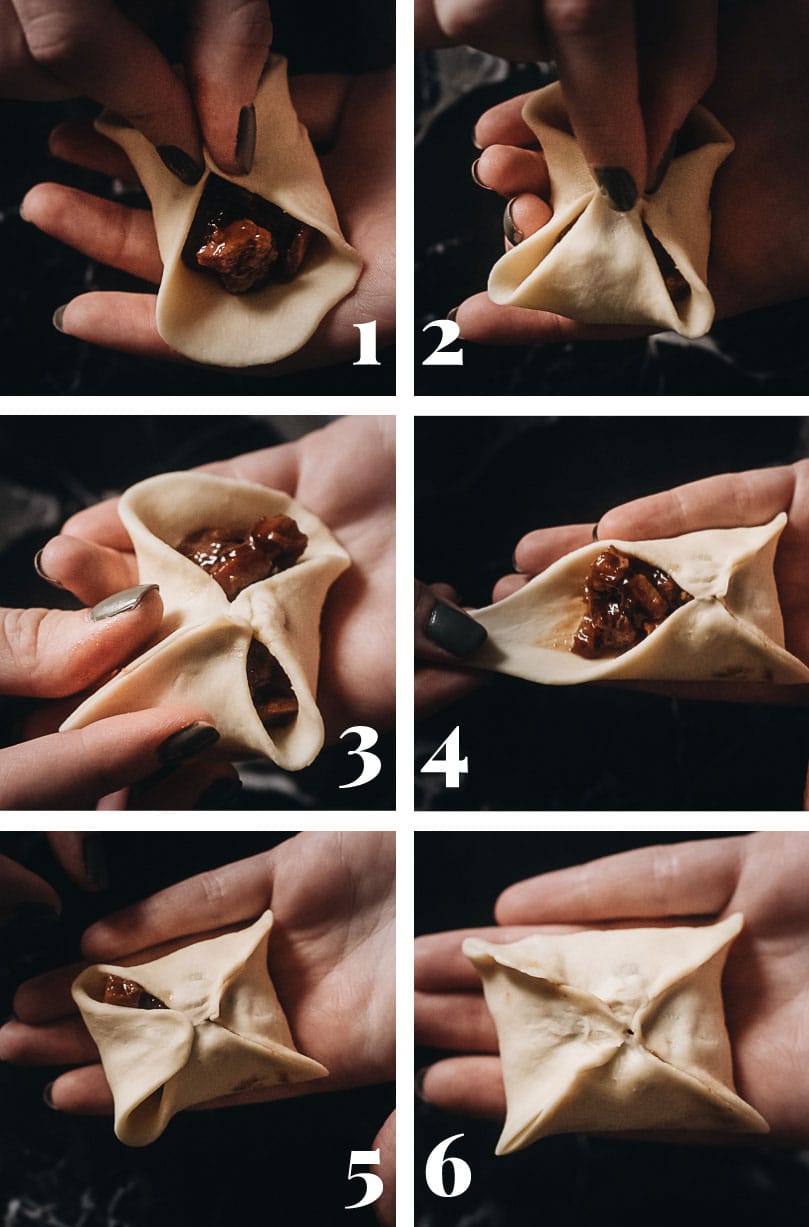
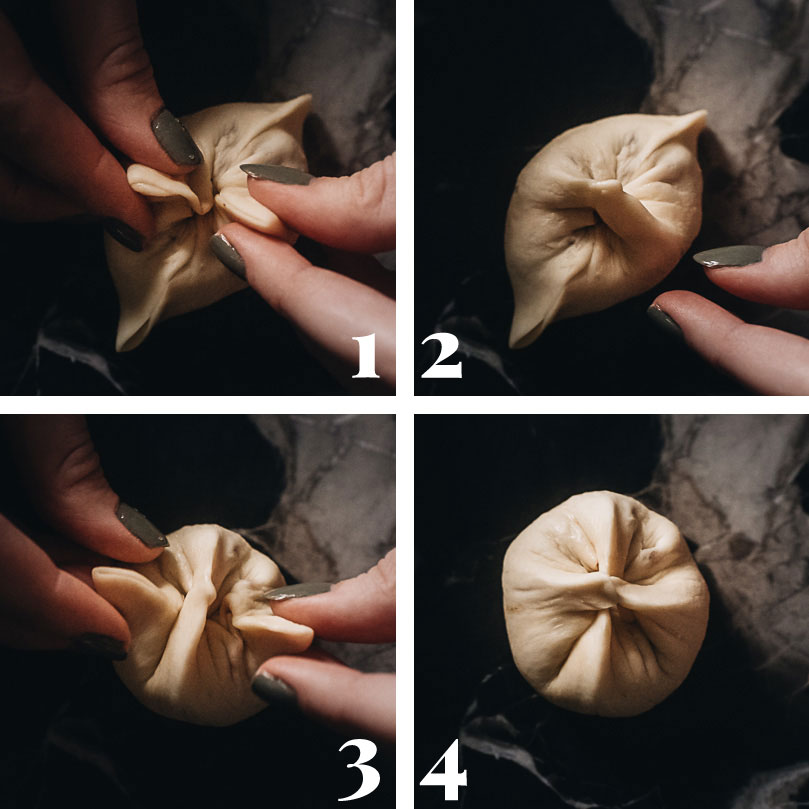
4. How to wrap char siu bao
If you’ve had char siu bao at a dim sum place, you’ll notice the buns are cracked and you can peek into them to see the juicy pork. To achieve the cracked result, you need a two-step process: 1st Fold 2nd Fold
5. 2nd rise and steam
Once done wrapping, you need to allow the buns to rise for another 20 to 30 minutes before steaming. Since it’s very hard to find a huge steamer to cook all of the buns at the same time, the best practice is to wrap and cook the buns in batches. Once you wrap 3 to 4 buns, start a stopwatch and start the steamer. The first batch of the buns is ready to cook once the stopwatch hits the 20-minute mark. Then you can work on the rest of the buns and cook them the same way.
Serve & storage
These BBQ pork buns are best when just steamed and still hot. They stay hot pretty well once cooked, in case you are preparing multiple dishes. Char siu bao are usually served as an appetizer or part of a multi-course meal. I also like to heat up leftover buns for lunch and dinner. You can store leftover buns in the fridge for 3 days or in the freezer for a month. They hold up very well and taste great once reheated. Although I doubt you will need to store them for that long because they’ll disappear within the blink of an eye!
More delicious dim sum recipes
Char Siu (Chinese BBQ Pork)How to Make Chinese Egg RollsWonton SoupAuthentic Chinese Scallion Pancakes Steamed Ribs in Black Bean SauceChinese Steamed Custard Buns (nai wong bao)
If you give this recipe a try, let us know! Leave a comment, rate it (once you’ve tried it), and take a picture and tag it @omnivorescookbook on Instagram! I’d love to see what you come up with. The recipe is updated by May 28, 2020 with a slightly adjusted filling formula. The original recipe creates extra filling you can use, and I’ve got some feedback saying the buns are too salty. We’ve retested the recipe and updated the filling with a more balanced sauce, and it will be just enough for 16 buns. Lilja Walter is a part of the Omnivore’s Cookbook team and worked closely with Maggie to develop and test this recipe.