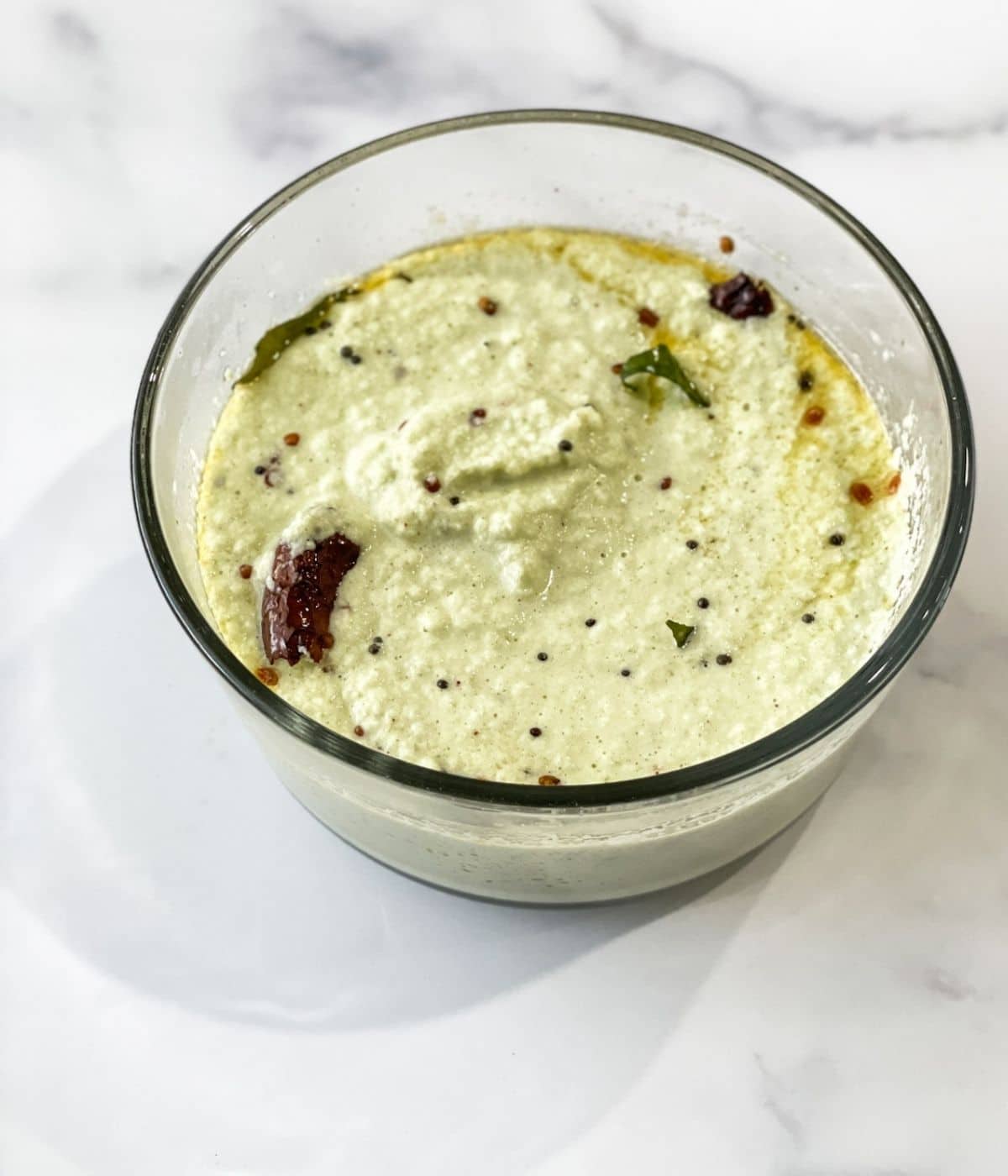
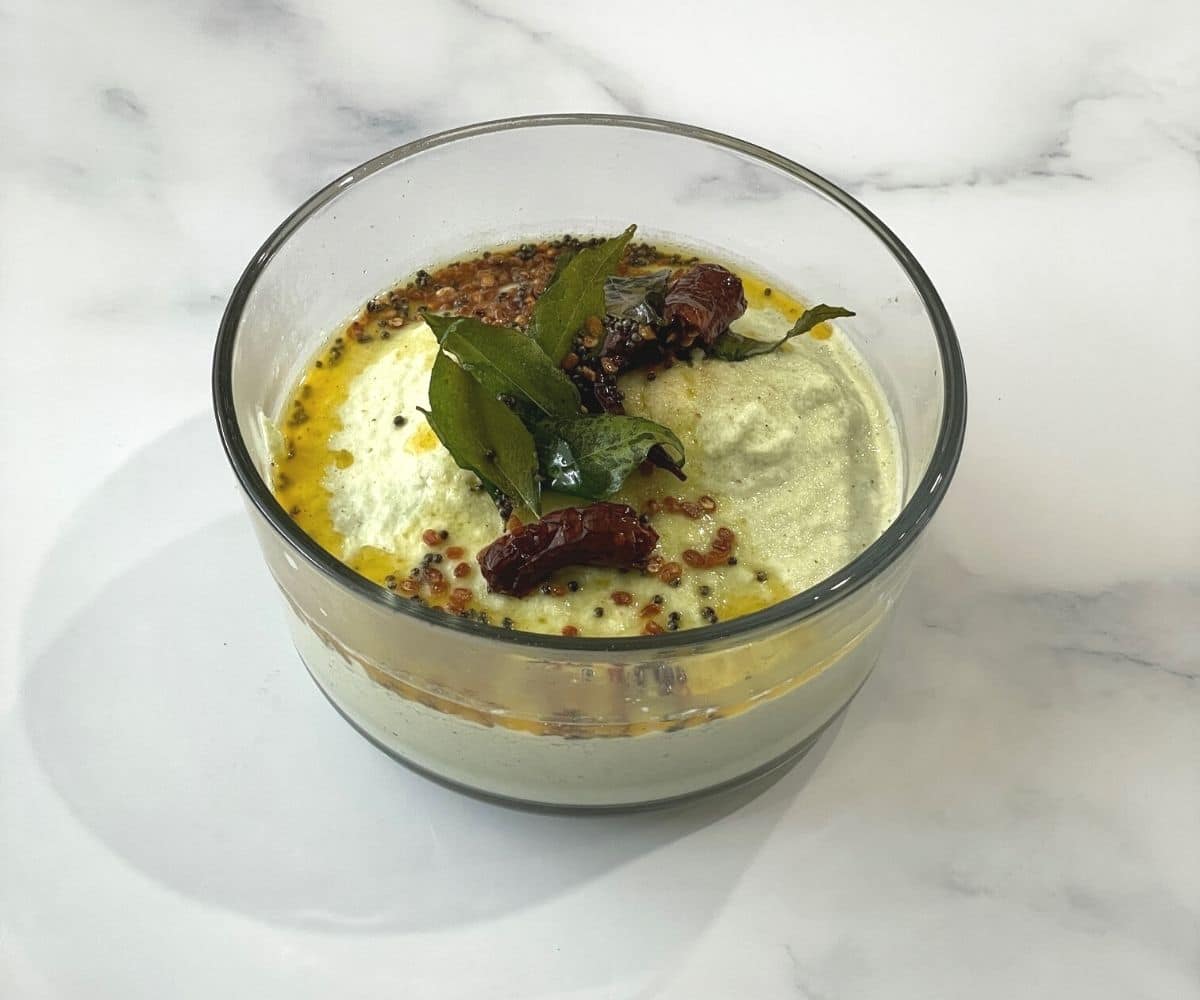
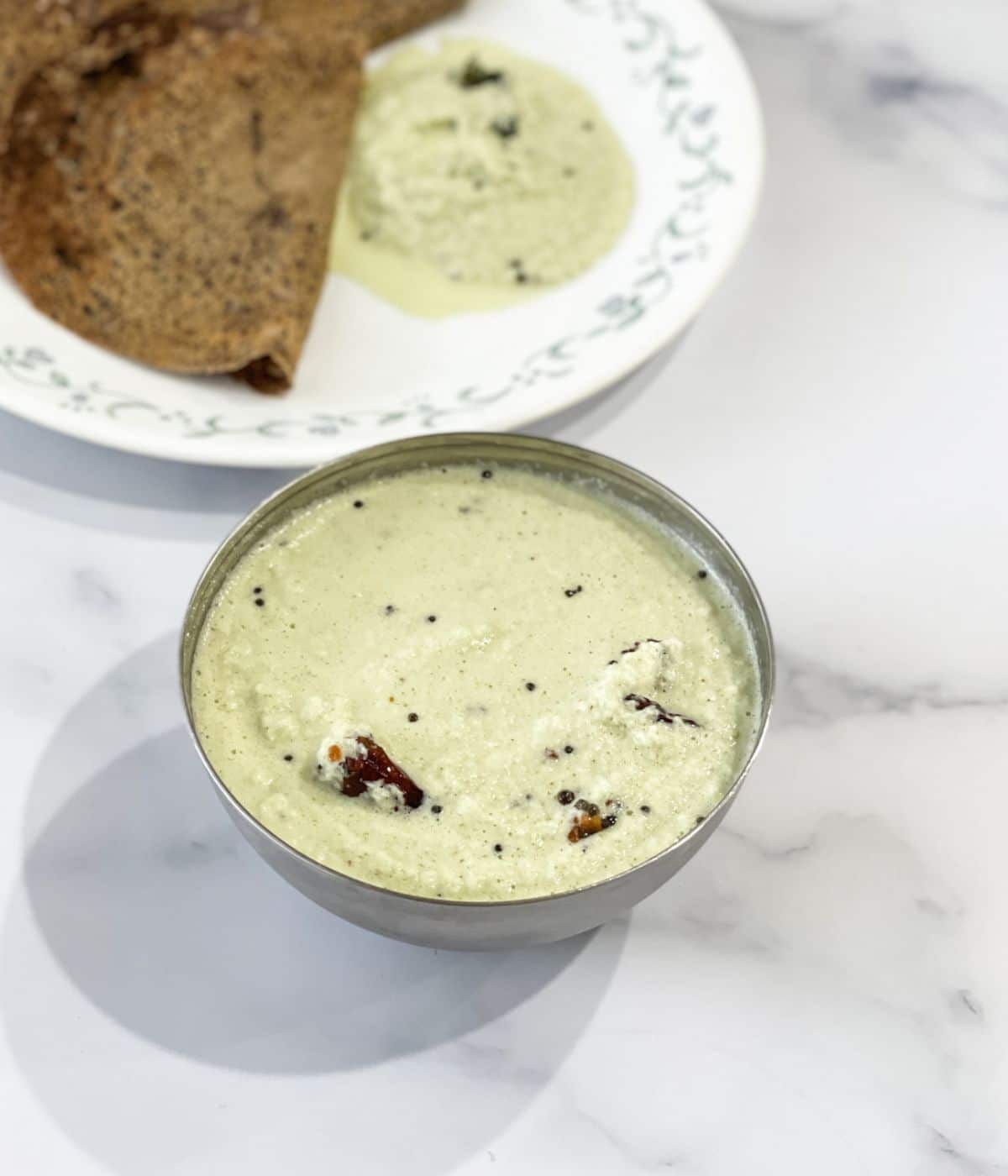
Chutney recipes sound simple, but getting a perfect consistency comes down to the details. That’s exactly what I share with you…the step-by-step method of preparing the perfect coconut chutney a.k.a “thengai chutney” or “nariyal chutney”. I agree to be sent email.
With this coconut chutney recipe, you have the perfect pairing for Dosa, Idli, Pongal, and even Vada. No other dish complements south Indian dishes like this easy recipe for coconut chutney does!
About this recipe
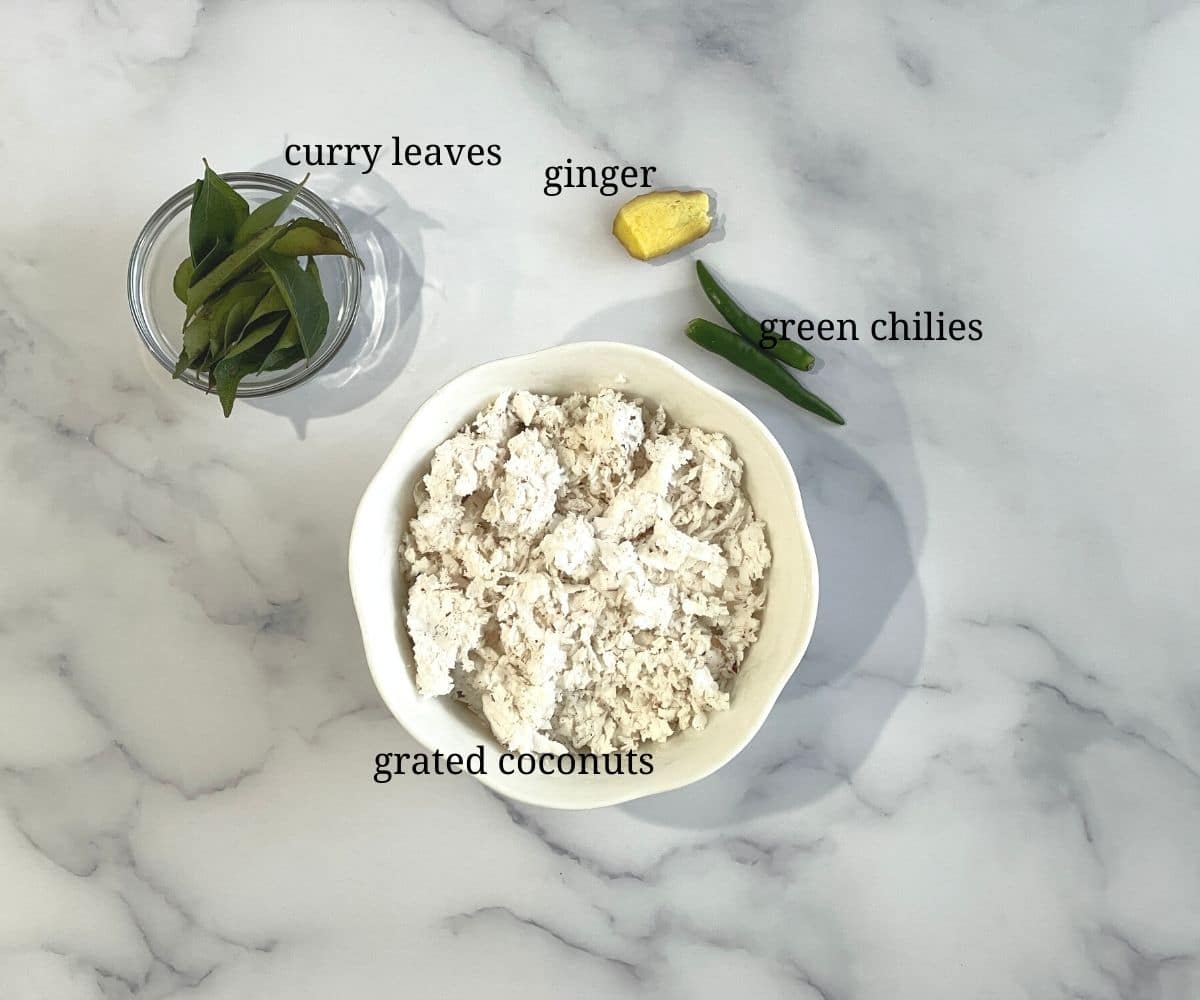
Chutney comes in every shape and form. You could prepare a chutney that is spicy, tangy, or balanced with just a few adjustments to the ingredients. The original version, prepared with just grated coconut, green chilies, and tempering is the one that pairs well with dosa and idli. It is common to add curry leaves as a part of the tempering, but since my kids tend to leave the curry leaves out, I make a small variation by grinding the curry leaves along with the coconut. The rest is a combination of green chilies, ginger, and other spices ground with shredded coconut. The end result is a flavorful and spicy chutney that will elevate your breakfast experience to a whole new level! Easy recipes such as this chutney can be made in under 15 minutes and can be stored for up to a week in the refrigerator. I usually make a double or triple batch of this chutney and store it so that we have it on hand for those busy mornings. If you are looking for a delicious and easy-to-make chutney recipe, I highly recommend giving this nariyal chutney a try! Trust me, it will become your new favorite!
Basic Ingredients note
Instructions
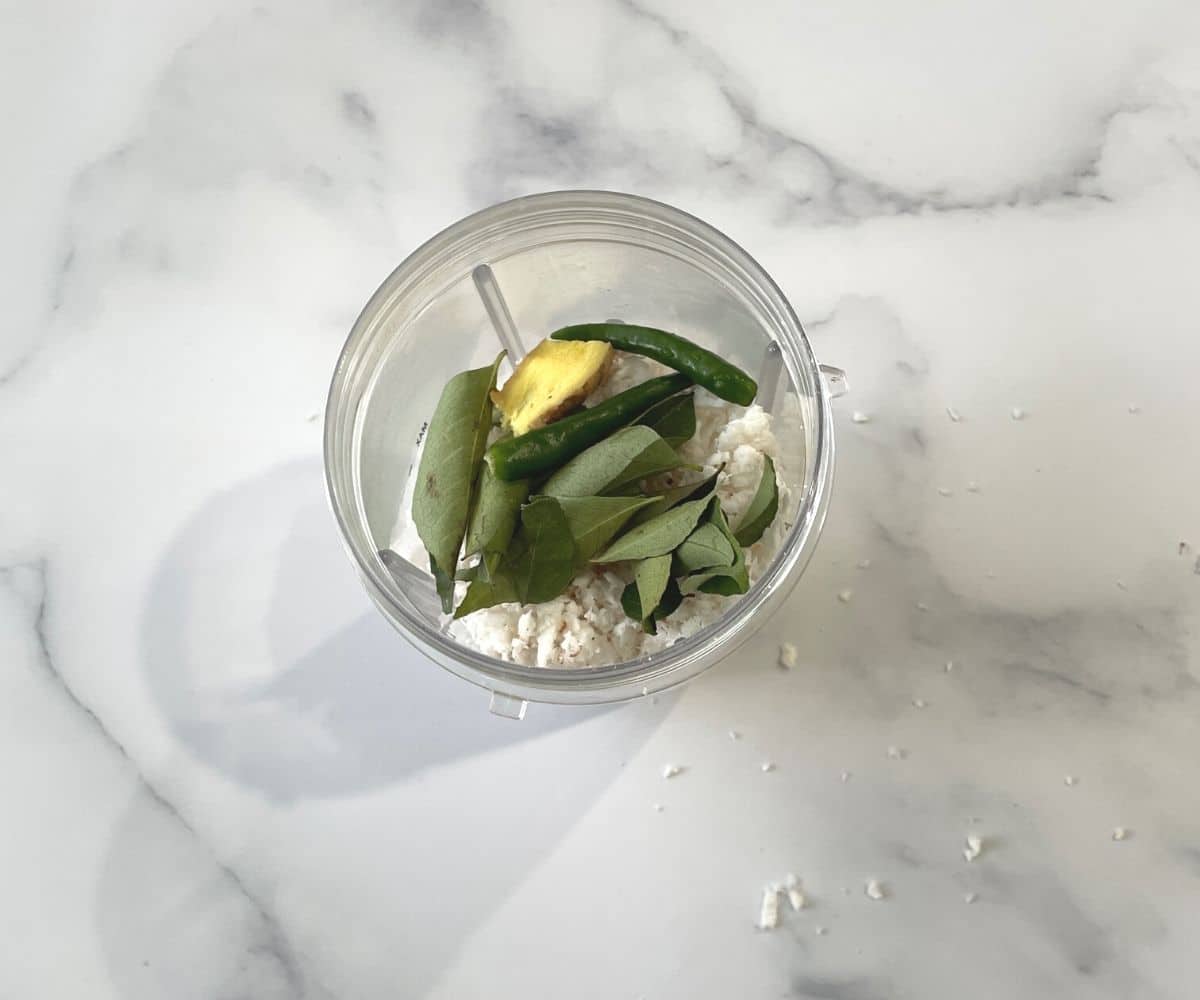
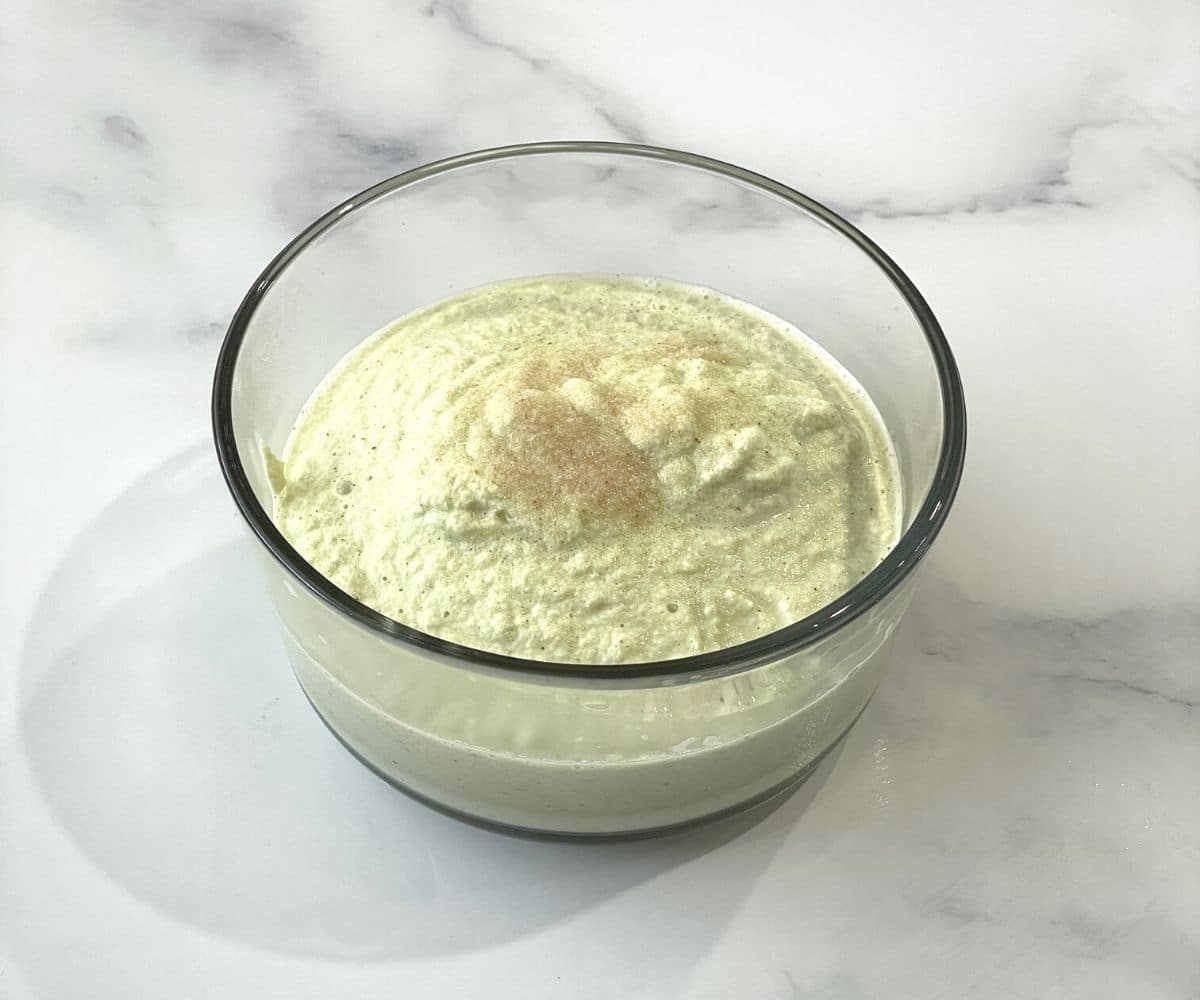
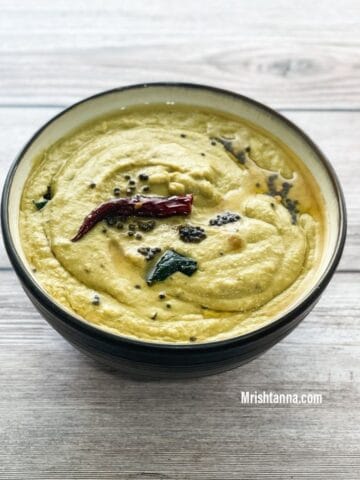
If you are using frozen grated coconuts, thaw them to room temperature. Green chillies: I typically use two-three medium-sized green chilies for this recipe. If you like it spicier, you can add more. If your chutney turns out too spicy with just a couple of chilis, you can add a hint of lemon juice to temper it down. Curry leaves: It is common to add curry leaves as a part of the tempering, but since my kids tend to leave the curry leaves out, I make a small variation by grinding the curry leaves along with the coconut. These leaves are quite easy to find in Indian stores. Spices: I use a combination of mustard seeds, urad dal, for the tempering. You can also add chana dal to the tempering. In a blender, mix the coconuts with the remaining ingredients one by one. Add 1 ¼ cup of water and blend in to smooth paste. Add the tempering or tadka to the coconut or thengai chutney. Place a small tadka pan over medium heat and add two tablespoons of coconut oil. As the oil heats up, add mustard seeds, urad dal, and one red chili. Saute until the mustard seeds crackle. Switch off the heat and add asafoetida powder. Mix the tempering well and the perfect coconut chutney side dish is ready! Serve it fresh with hot idlis or masala dosa!
Variations of coconut chutney
Like I said before, Coconut or nariyal chutney can be made with lots of variations. Let us look at some more of these variations. I hope that you find something new here that you can try today. The bottom line is that it is all about personal preference. The recipe that I have shared is like a basic coconut chutney recipe. You can change it as per your taste, preference, and the type of main dish you are preparing. Coriander/Cilantro - Just skip the curry leaves and add cilantro leaves to the grated coconut while blending. This adds immense flavor and renders the chutney green. Just like the coriander seed chutney, this recipe suits well for neer dosas that do not involve fermenting batter. Roasted Peanut - If you love peanuts, add some roasted peanuts to the shredded coconut and you have a chutney that suits you well for almost any dosa.
Expert tips
One important tip is to use fresh, grated coconut for this recipe. If you do not have access to fresh coconut, you can use frozen coconut, but make sure to thaw it before using it.Adjust the number of green chilies used according to your spice preference. I typically use two medium-sized green chilies for this recipe, but if you like it spicier, you can add more.Using chana dal in coconut chutney as a thickener seems to be quite common, but the original recipe for coconut chutney does not call for that! It is possible to bring the perfect consistency for chutney without using chana dal. The addition of ginger is optional. You can skip this part.If you add curry leaves and green chilies while blending along with grated coconuts the chutney will turn light green.If you prefer white chutney instead of green coconut chutney, do not add curry leaves.Use hot water or warm water if you are using frozen coconuts otherwise, it will be grainy and stick to the blender.If you prefer a thick chutney consistency, add water in small amounts.Be sure to grind the ingredients to a fine consistency to get the smooth chutney that can pair well with dosas.
Related recipes
If you would like to try other chutney recipes, be sure to check out these recipes. These recipes are based on vegetables and pair well with dosas or steamed rice as well.
Tomato ChutneyGreen Tomato ChutneyTomato Chutney For DosaBeetroot Chutney - 2 Methods
Just subscribe to my newsletter for more delicious vegan recipes such as this sent directly to your inbox.
📖 Recipe