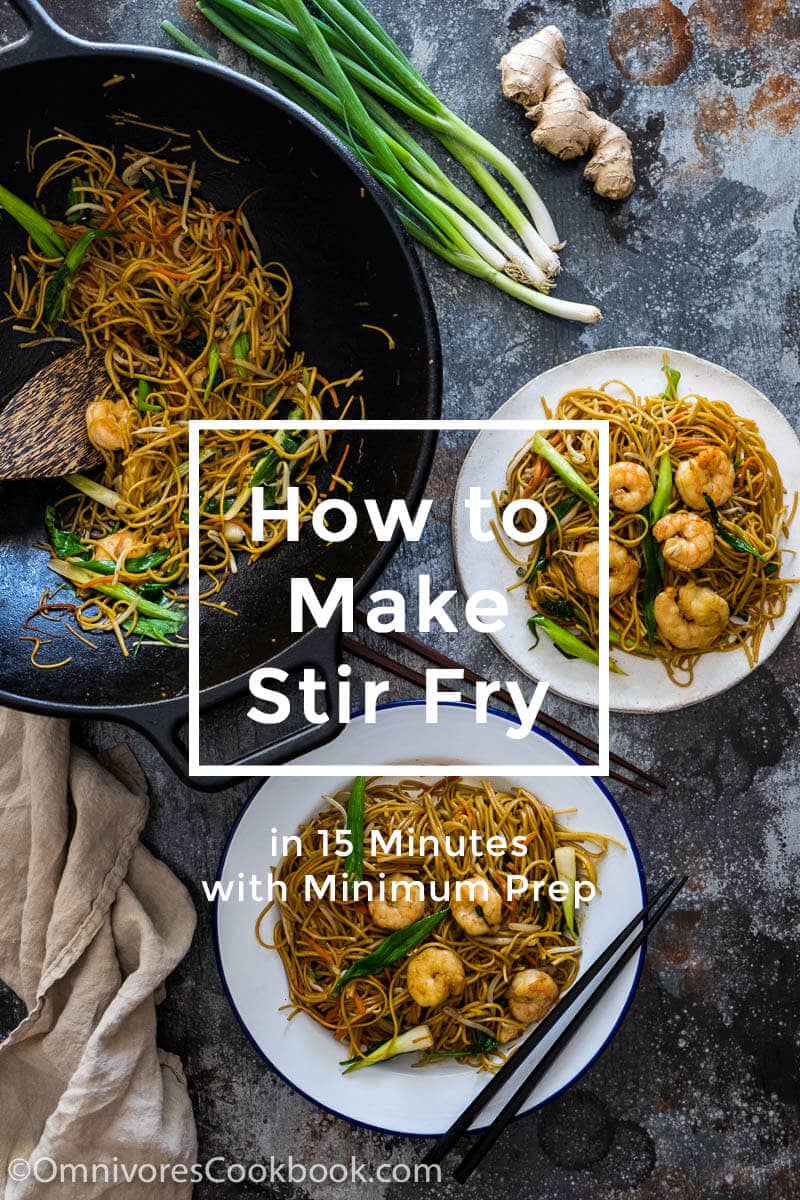
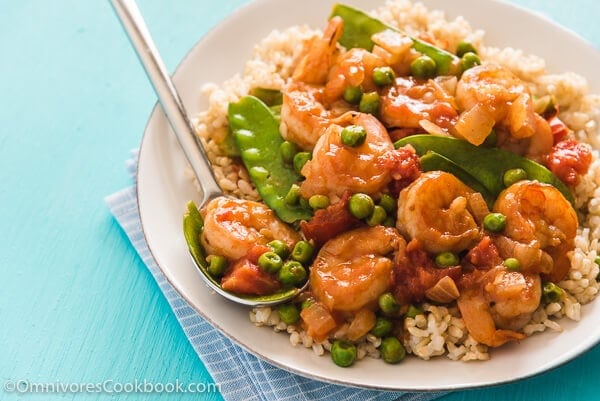
So, you decide to learn how to cook your favorite Chinese takeout dish at home. …Then you google the recipe, which leads you to a 2000-word recipe that includes 20 ingredients with a series of actions: Then, you see the recipe requires a wok, and sometimes a gas stove. Words such as “high heat” and “pan tossing” keep popping up in your face. Going through half of the ingredient list, you decide to wait until the next New Year’s resolution to challenge the project and pick up your phone to order delivery. Have you ever come across similar situation? I hate to see that people get turned away from making great dishes because of the description of the recipe. I believe anyone could make a great stir fry dish in their own kitchen! That’s why I have come up with the perfect solution – the Stir Fry Formula. By using this formula, you can:
Cook stir fried dishes with the simplest setup, even without a wok. Tweak any recipes by using whatever ingredients you have on hand. Shorten your prep time. Make your dish taste better with minimum effort.
Most of the examples and recipes in this post are Chinese stir fries, but the same rules also apply to other types of Asian stir fries, such as Thai, Japanese, Vietnamese, etc.
Introducing the Stir Fry Formula
Chinese stir fry always gives people the impression that it involves so much prep work and so many steps that you need an extra pair of hands. You might find that it is a challenge to get the seasoning right. And more than often, you may realize that you don’t have all the ingredients that are listed in a recipe at the last minute and have to run to the grocery store. You can solve all these problem by using the stir fry formula. Now, let me spend one minute to explain what makes a good stir fry. A good stir fry dish requires
A solid stir fry sauce that is bursting with flavors without using tons of salt. Aromatics to add fragrance and umami (ginger, garlic, and green onions are usually used in Chinese stir fries). Protein and vegetables that are seared in the hot pan until just cooked through, so the meat remains tender and juicy while the vegetables remain crispy.
To boil it down, we’ve got our stir fry formula. That is: choice of protein / veggies + stir-fry sauce + aromatics = perfect stir fry The stir fry formula allows you to use three steps to make any stir fry dish. Let’s me explain one part at a time.
Aromatics
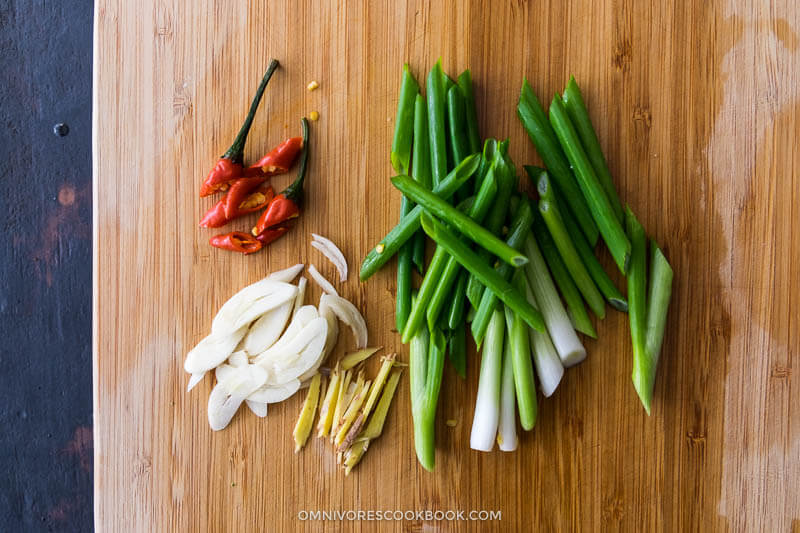
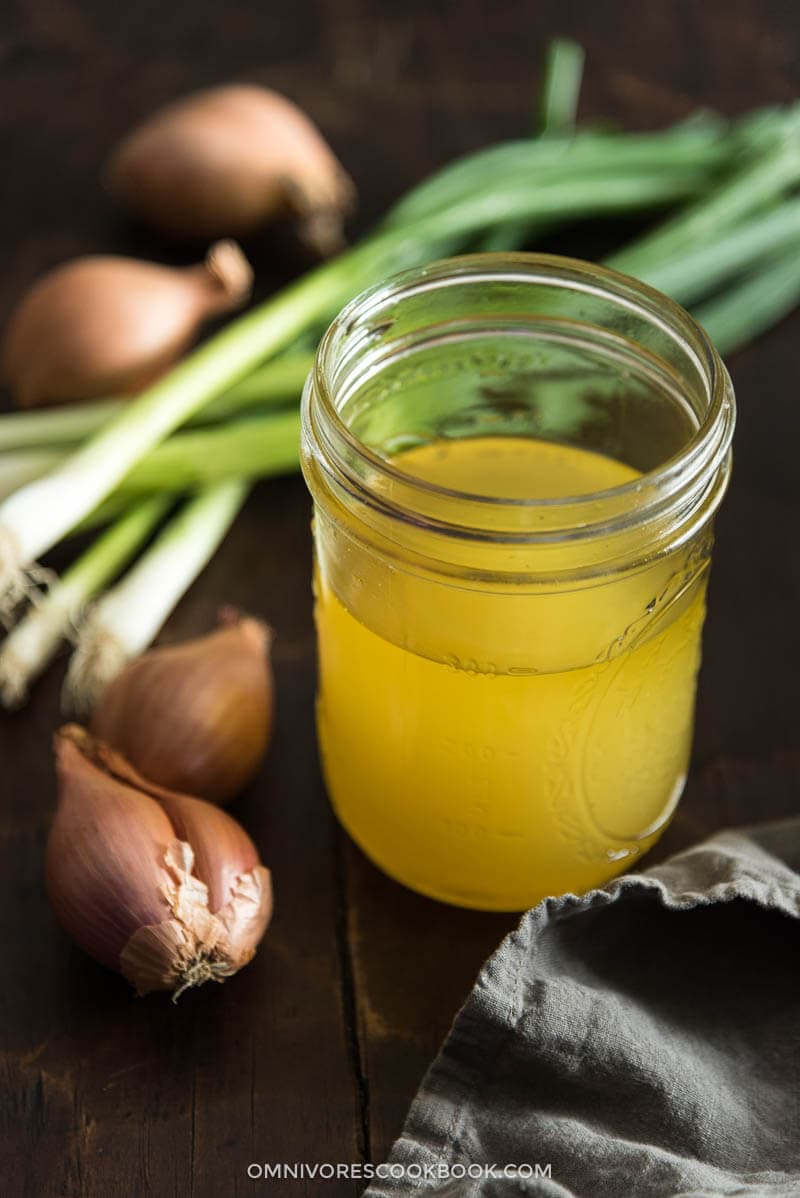
This is the one of the most crucial parts for any stir fry recipe. I consider it even more important than the stir fry sauce. To makes a great Asian stir fry that bursts with flavor, you need to use tons of fresh aromatic ingredients instead of salt to make the dish stand out. That’s why most authentic Chinese recipe call for minced green onion, ginger, and garlic (the 3Gs). A Thai stir fry contains tons of fresh chopped lemongrass, galangal, chili pepper and basil. By using fresh herbs, your stir fry will taste great, simply with a few drops of soy sauce or a pinch of salt. On the other hand, although aromatics are necessary in a stir fry dish, it doesn’t mean you need to use a few kinds every single time. More often, you can tweak a recipe by skipping one or two aromatics by increasing the amount of one aromatic. For example, if a recipes calls for “1 tablespoon sliced green onion, 2 cloves minced garlic and 1 teaspoon ginger”, chances are, you can probably get by with “4 tablespoons sliced green onion”, OR “4 to 5 cloves minced garlic”, OR “1 tablespoon minced ginger”.
How to prep aromatics faster
Peel garlic faster: Press the garlic by laying a chef’s knife on a garlic clove and use your other hand to press down to lightly crush the garlic. It only takes 2 seconds to peel the garlic once it’s crushed. Mince garlic faster: Use a garlic press to mince garlic in a few seconds. Mince ginger faster: Use a lemon zester to mince ginger in a few seconds.
How to choose aromatics to use in a dish
If you are using a mild stir fry sauce or minimum seasonings, use minimum aromatics. If you are using a bold flavor stir fry sauce, add more aromatics.
For example, if you are cooking with orange sauce or lemon sauce, a slice of ginger, or 2 to 3 cloves of garlic, or 2 to 3 green onions will do the job. On the other hand, if you’re cooking with a bold sauce, such as General Tso sauce, you need to add extra aromatics to make the dish work. For example, double the amount of aromatics (e.g. 4 to 6 cloves garlic) or use two of them as a combination (e.g. 3 cloves garlic + 1 big slice ginger). How to avoid chopping aromatics (1) If you’re using a sauce that already contains tons of aromatics, such as black bean sauce, you can skip the aromatics (see the steamed or baked fish with black bean sauce). (2) Use dried chili pepper and/or Sichuan peppercorns to make spice-infused oil for quick vegetable stir fries. The oil will have a nice smoky flavor once heated up with these spices. For example, Chinese 4-Ingredient Fried Cabbage and 4-Ingredient Okra Stir-fry. (3) Use pre-made, herb-infused oil to cook stir fry. For example, you can make a big jar of scallion infused oil on the weekend and use it in a stir fried dish to add fragrance. The shortcoming of using this method is, it works great with mild sauce or vegetarian dishes, but it’s not potent enough with a bold sauce.
You can use the methods above to add aroma to your dish without spending too much time to prep aromatics. Again, if you have more time, only adding one type of aromatic (ginger, garlic, or green onion) will make a big difference.
How to prepare protein for stir fry
Stir fried dishes are highly flexible and can be altered by using whatever ingredients you have at home. For example, a chicken dish can usually be altered into a pork, beef, a shrimp dish, or a tofu dish (for a vegetarian option). You can use this one formula to marinate almost any raw meat and seafood prior cooking. 1 pound meat cut to bite size + 1 tablespoon oil + 1 teaspoon cornstarch + 1/4 teaspoon salt If you are wondering whether this step is necessary, the answer is a big YES. It is the first step of the basic stir fry skill “velveting”. It means to use a quick marinade to tenderize and season the meat, and using cornstarch to coat the meat so it won’t dry out during cooking. Then, cook the meat in hot oil (frying) or boiling water (blanching) until just cooked through.
There are millions of ways to marinate the meat.
Adding soy sauce gives the meat an appetizing caramelized color during cooking. Using Shaoxing wine (or another type of cooking wine) will eliminate the fishiness or gaminess of the protein and add aroma. Adding minced ginger will tenderize the meat and add more flavor.
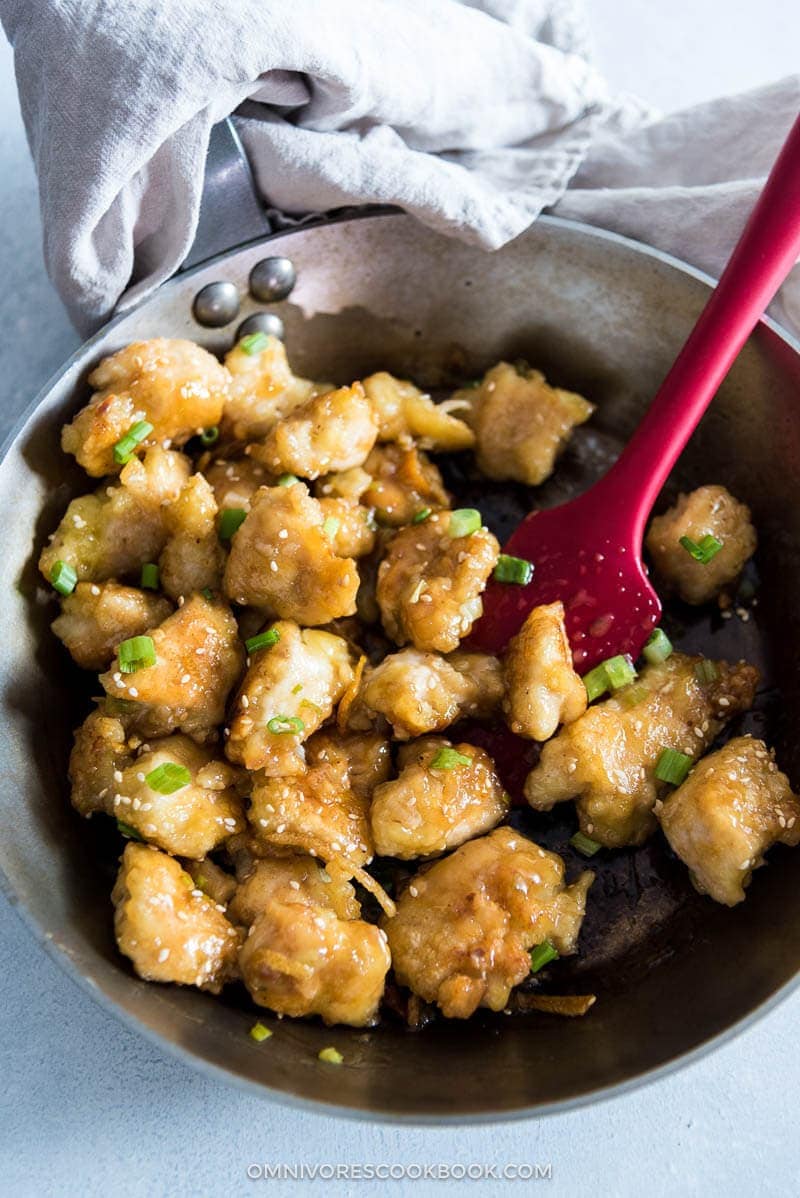
However, I find this formula the most convenient because it is easy to remember: 1 pound meat cut to bite size + 1 tablespoon oil + 1 teaspoon cornstarch + 1/4 teaspoon salt The oil will prevent the meat from sticking together during cooking. Plus, the oil works as a liquid to dissolve the cornstarch without causing oil splatter during cooking. However, if you do try a different marinade that contains liquid seasonings, make sure that you add enough cornstarch to form a thin coating, or drain the liquid before the stir fry process. Otherwise, the liquid will causes oil splatter once you add the ingredients to the hot pan. To create a crispy crust like restaurant takeout, read this post to learn how to create crispy chicken without deep frying. For a vegetarian dish, read this post to learn how to create flavorful and crispy tofu without deep frying. You can use the tofu to replace any meat in other stir fry recipes. [one_half padding=”0 0 0 2px”] [/one_half] [one_half_last padding=”0 0 0 2px”] [/one_half_last] Three ways to shorten protein prep time
How to prepare vegetables for stir fry
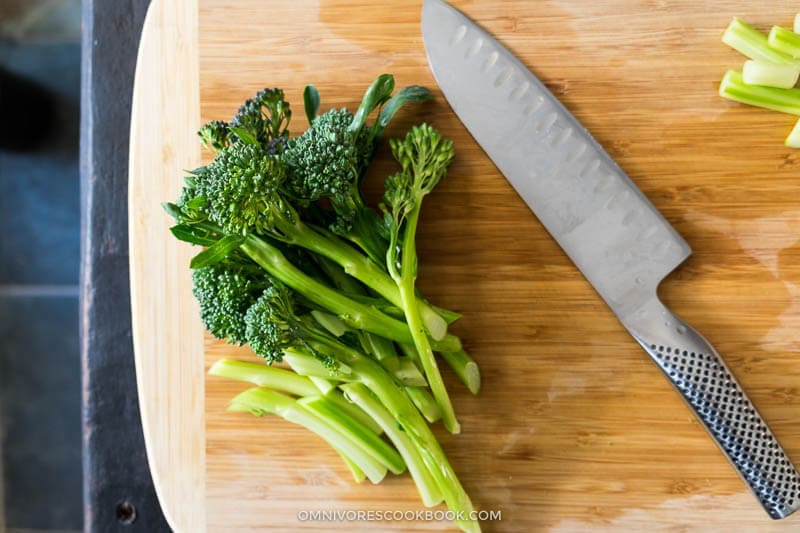
No matter if you’re adding vegetables to a protein stir fry or making a quick and healthy side dish, only choosing one vegetable (or no more than two) works the best for weekday cooking. It saves time for washing and chopping, and it’s much easier to control the doneness during the cooking.
Some of the most common vegetables in Chinese stir fry include bell peppers (and anaheim pepper), asparagus, broccoli, cauliflower, carrots, green peas, onion, and snow peas. These ingredients work well with most of the stir fry sauces. If you see a recipe that calls for a vegetable that you don’t have, you can usually replace it with these ingredients. If you want to learn more about which vegetable goes with which sauce, check out the sauce recipes below. In each post, I listed the types of vegetables that can be used with the sauce.
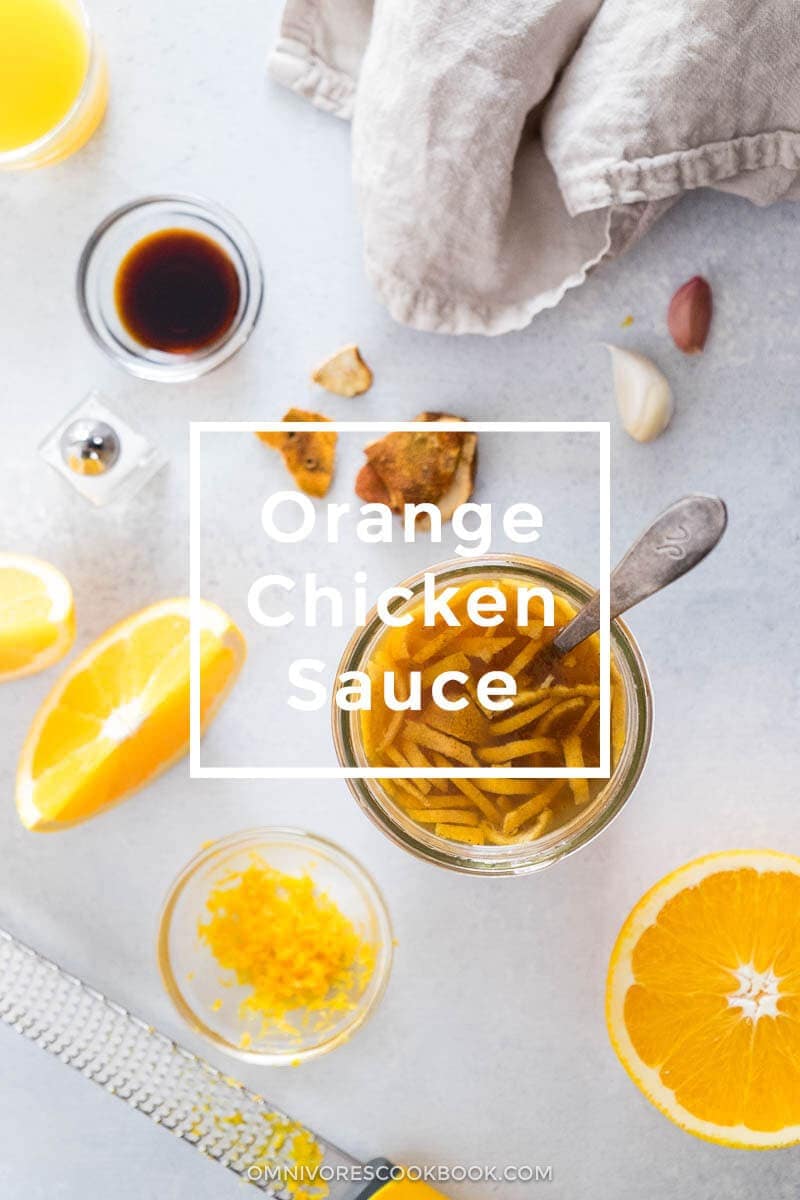
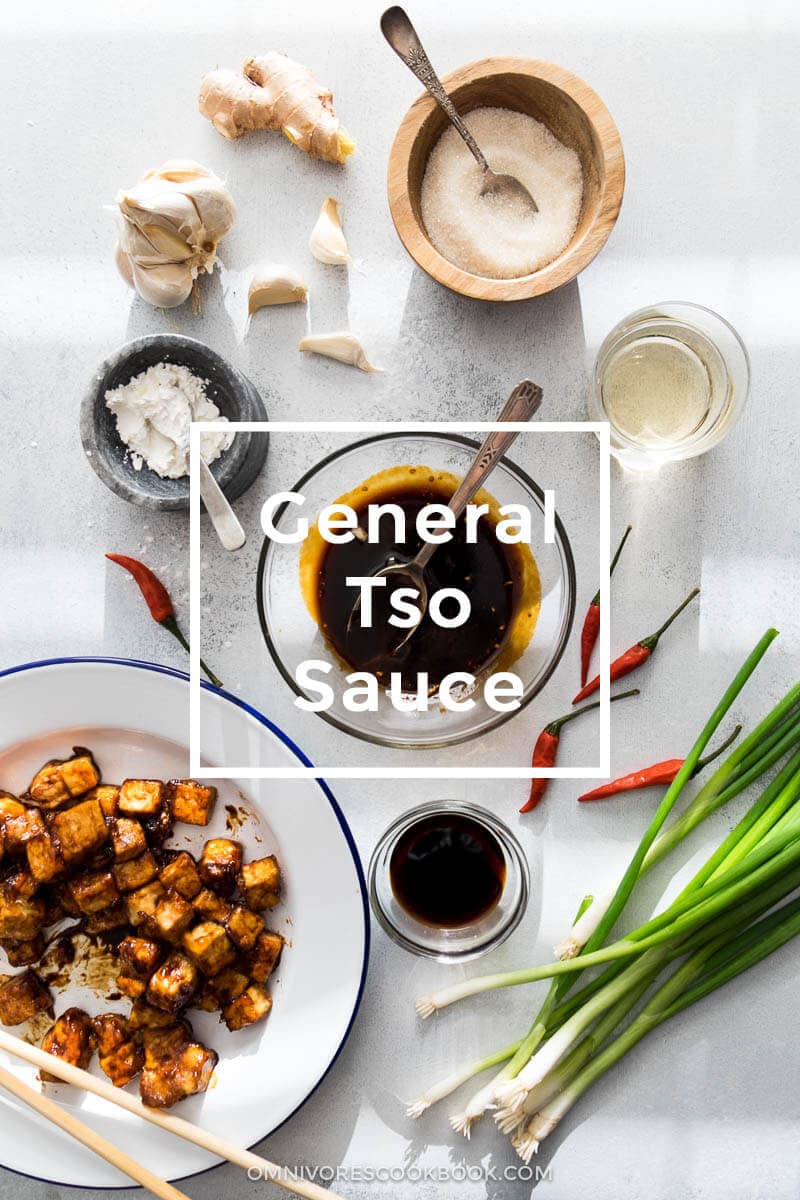
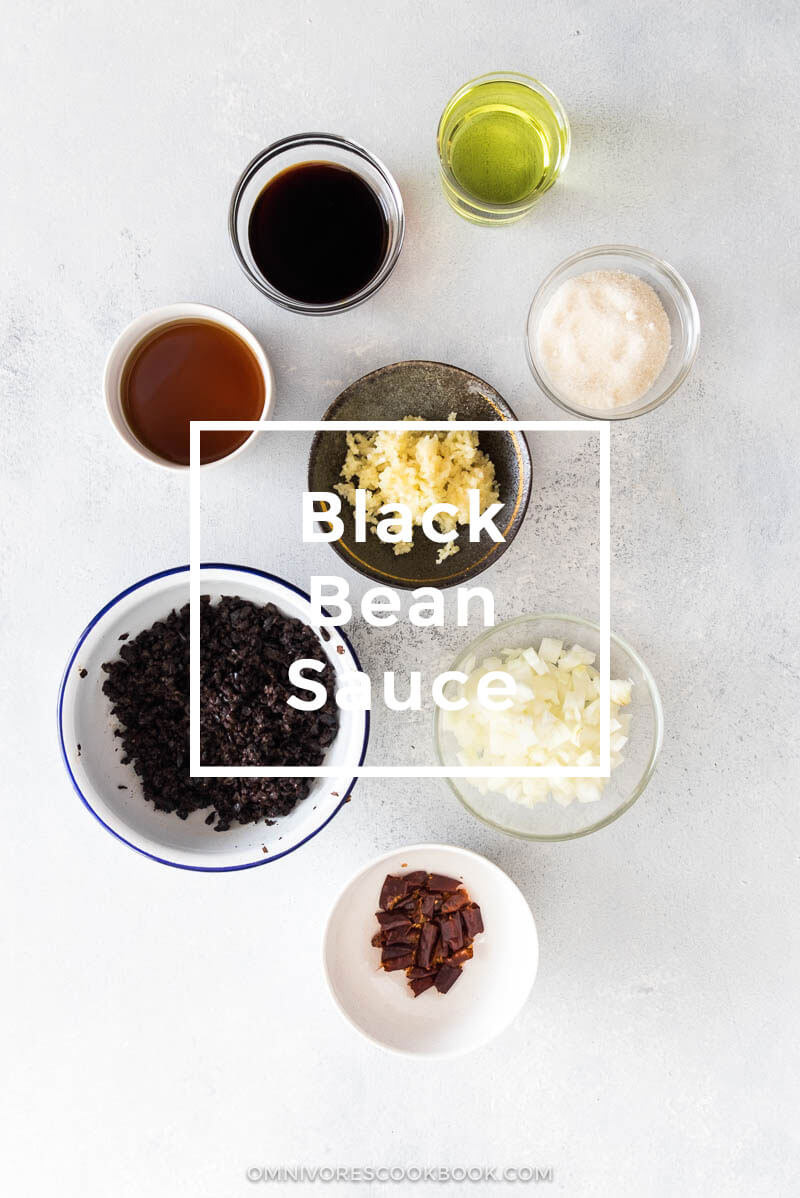
Orange sauce – the list of vegetables can be used in most fruity and sweet sauces General Tso sauce – the list of vegetables can be used in most sweet and sour sauces Black bean sauce – the list of vegetables can be used in most savory sauces
Three ways to make prepping vegetables easier [leadmagnet]
Stir Fry Sauce
The sauce is the other key component in a stir fry dish that you can prepare ahead of time. I’ve written a few post about how to make stir fry sauce and how to use them to cook stir fry.
Orange sauce: Orange chicken, Orange shrimp and asparagus General Tso sauce: General Tso tofu Black bean sauce: Zucchini stir fry with black bean sauce
You’ll find out that mixing the sauce ahead saves you a tremendous amount of time when you cook dinner. Alternatively, if you do not want to make big batch of sauce ahead of time, no worries. Most of my stir fry recipes list the stir fry sauce separately, so you can easily replace the aromatics, protein, and the vegetables in any of the recipes according to the tips you learned from this post. [one_third padding=”0 0 0 2px”] [/one_third] [one_third padding=”0 0 0 2px”]
[/one_third] [one_third_last padding=”0 0 0 2px”]
[/one_third_last] (Click the images above to see the stir fry sauce)
Mise en place
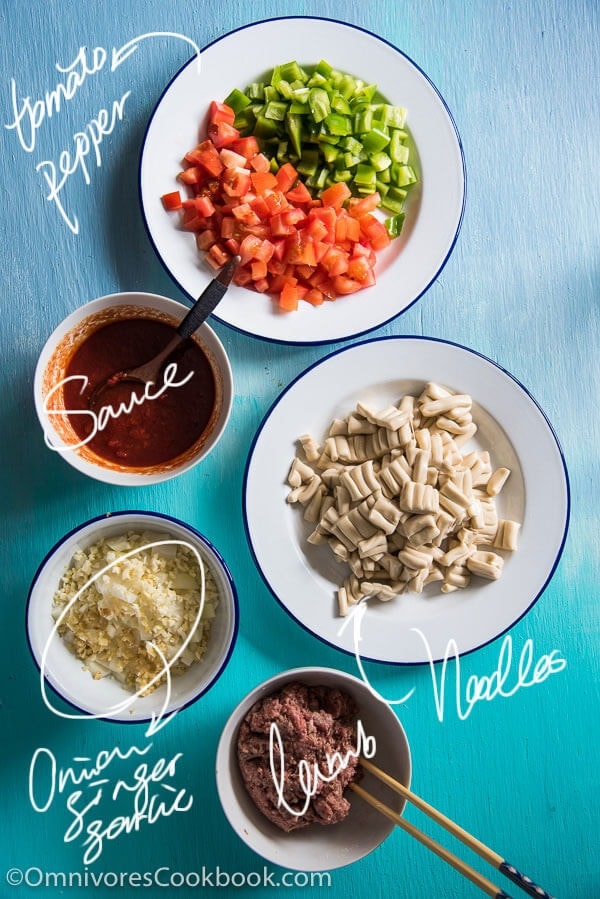
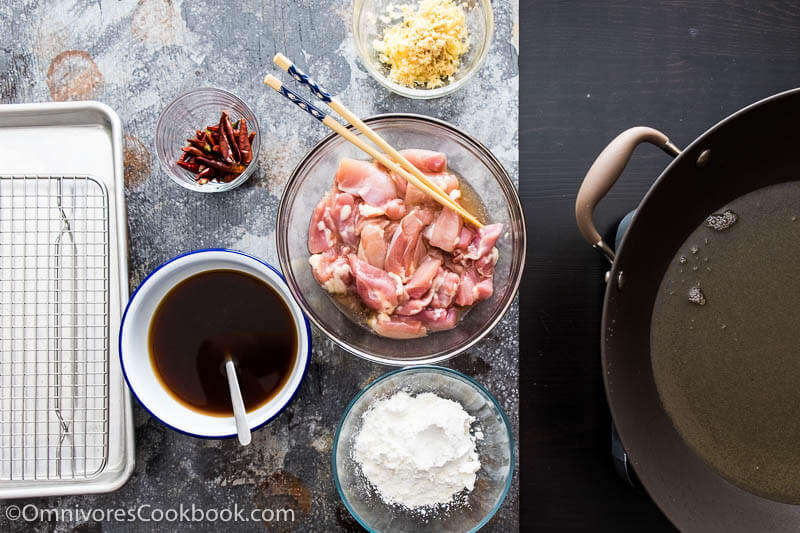
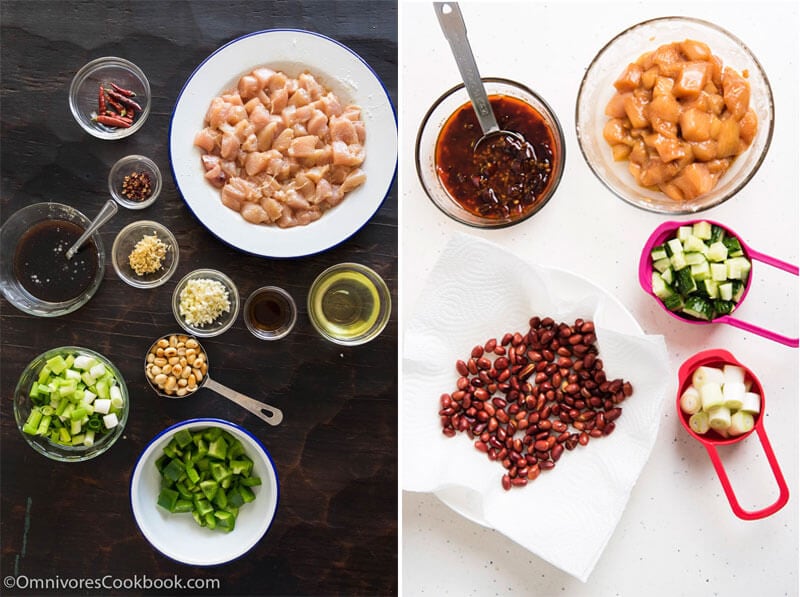
The most important step for any stir fried dishes means you should have all your ingredients prepared and gathered near your stove. Unlike making a stew or soup that allows you to chop the vegetables while the cooking goes on, stir fried dishes are usually done in a few minutes. Proteins like chicken and beef will be cooked in 2 to 3 minutes and can be over cooked in another 30 seconds. That’s why you should always get all the ingredients ready before turning on the stove, so you can add each in a timely manner while your other ingredients are sizzling in the hot skillet. You might be afraid that you don’t have enough kitchen counter space to place all these tiny bowls. Here is the good news: You don’t need to use a dozen small bowls for each ingredient. Sometimes I use more bowls and plates in my blog picture for the sake of demonstration. In reality, you only need 3 to 4 bowls (or plates).
How to make stir fry – the workflow
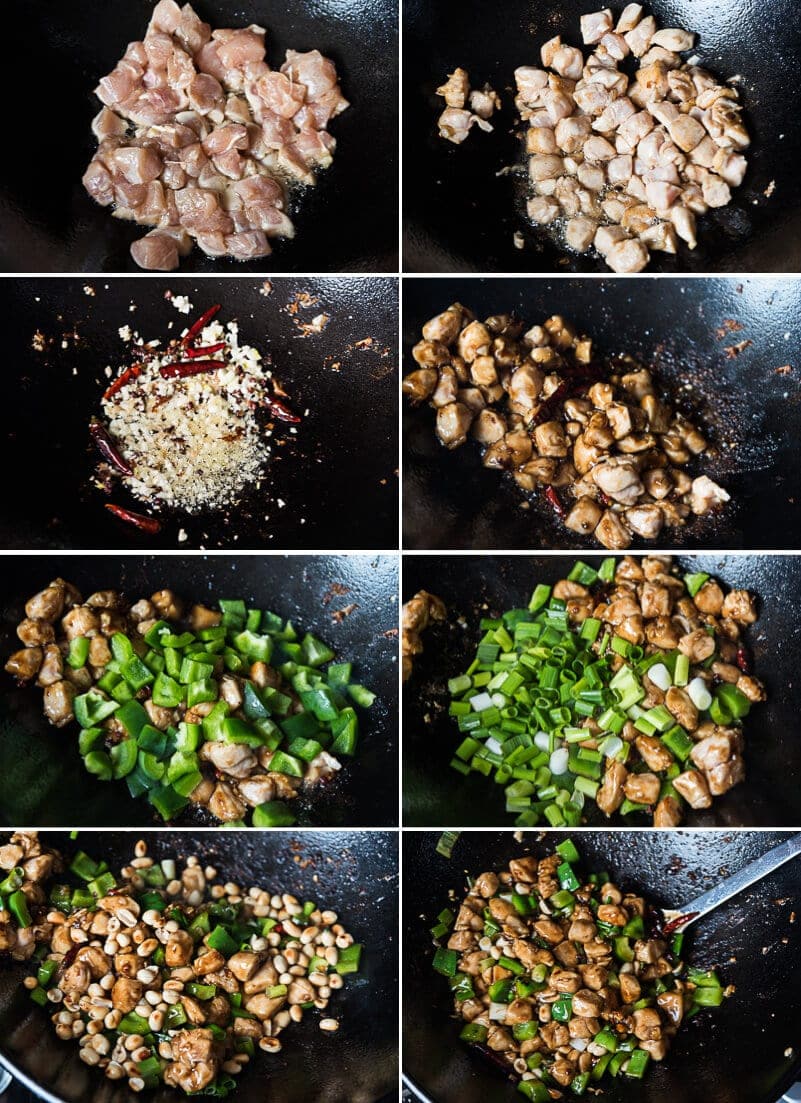
Prep: Cook: Let’s look at how much time you need for one protein and one vegetable stir fry: The whole process can take as little as 7 minutes, but no more than 20 minutes. If you start cooking a steamed white rice dish first before preparing the stir fry, your dinner can be done in 25 to 30 minutes. Watch the video below to see the most basic stir fry cooking process. You can replace the soy sauce with any other sauces.
How to use the stir fry formula to cook with any ingredients
The best part is, now you can tweak any stir fry recipes with the ingredients you have on hand by using my stir fry formula! choice of protein / veggies + stir-fry sauce + aromatic ingredients = perfect stir fry Stir fried Protein + vegetables 220 grams (1/2 pound) protein + 3 cups vegetables + 1 part stir-fry sauce + 1 to 2 tablespoons aromatic of your choice Stir fried Vegetable only 6 to 8 cups vegetables + 1 part stir-fry sauce + 1 to 2 tablespoons aromatic of your choice Stir fried Protein only 450 grams (1 pound) protein + 1 part stir-fry sauce + 1 to 2 tablespoons aromatic of your choice
To start cooking
Now it’s your turn! Pick one of the sauces or recipes below and start experimenting by using the stir fry formula. If you cook a dish, do not forget to snap a picture and show me what you cooked by sending the picture to maggie {at} omnivorescookbook {dot} com or tag @omnivorescookbook on Instagram! You will get a chance to be featured 🙂
Orange sauce: Orange chicken, Orange shrimp and asparagus General Tso sauce: General Tso tofu Black bean sauce: Zucchini stir fry with black bean sauce
Phew! I know this is a super long post. Hopefully it will get you started on cooking some stir fried dishes in your own kitchen 🙂 Did I miss anything in the post? Ask a question or leaving a comment below! [leadmagnet]
Recommended Reading
20 Basic Chinese Ingredients – Once you gathered these ingredients, you will be able to cook 80% of the Chinese stir fry recipes without the need to run to an Asian grocery store. Wok vs. Stir Fry Pan – Which is the Right Tool for You? – The post answers all your questions to clear up any stir fry doubts. Stir Fry Recipe Collection on Omnivore’s Cookbook – The stir step towards a successful stir fry is by using solid recipes.