A brief introduction to Chinese clay pot cooking
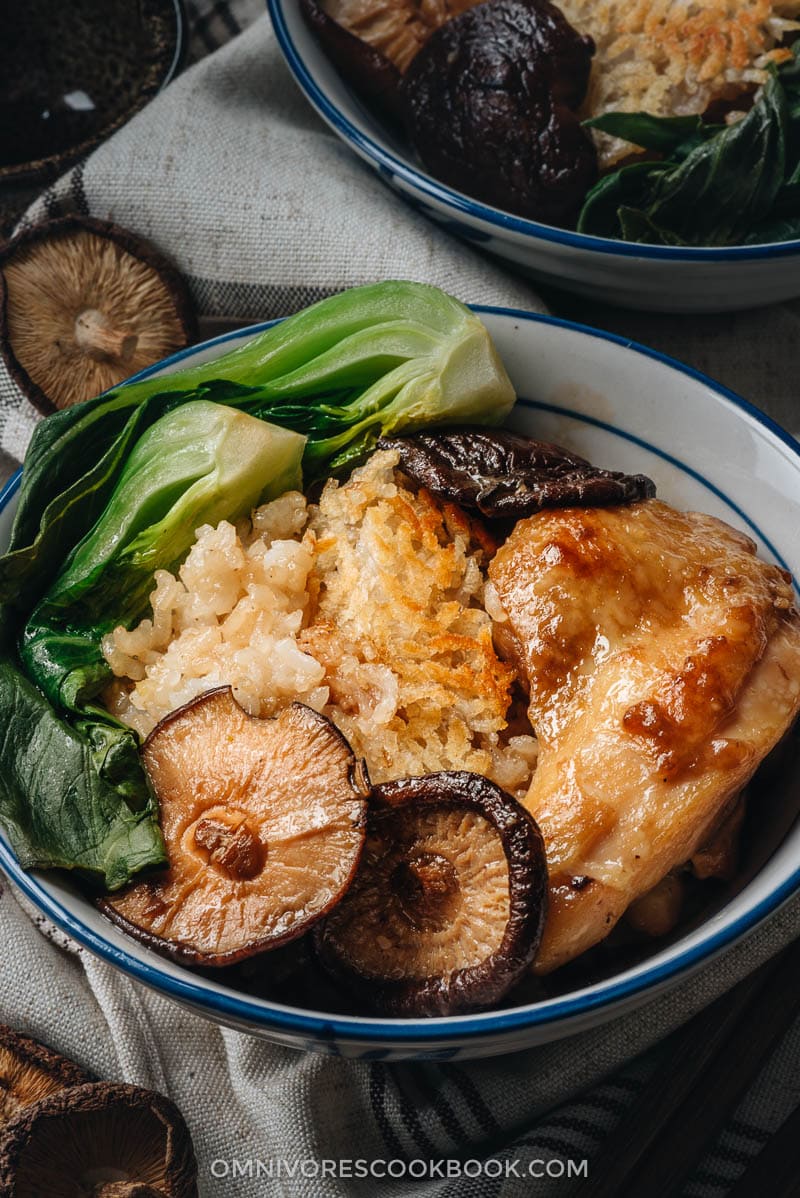
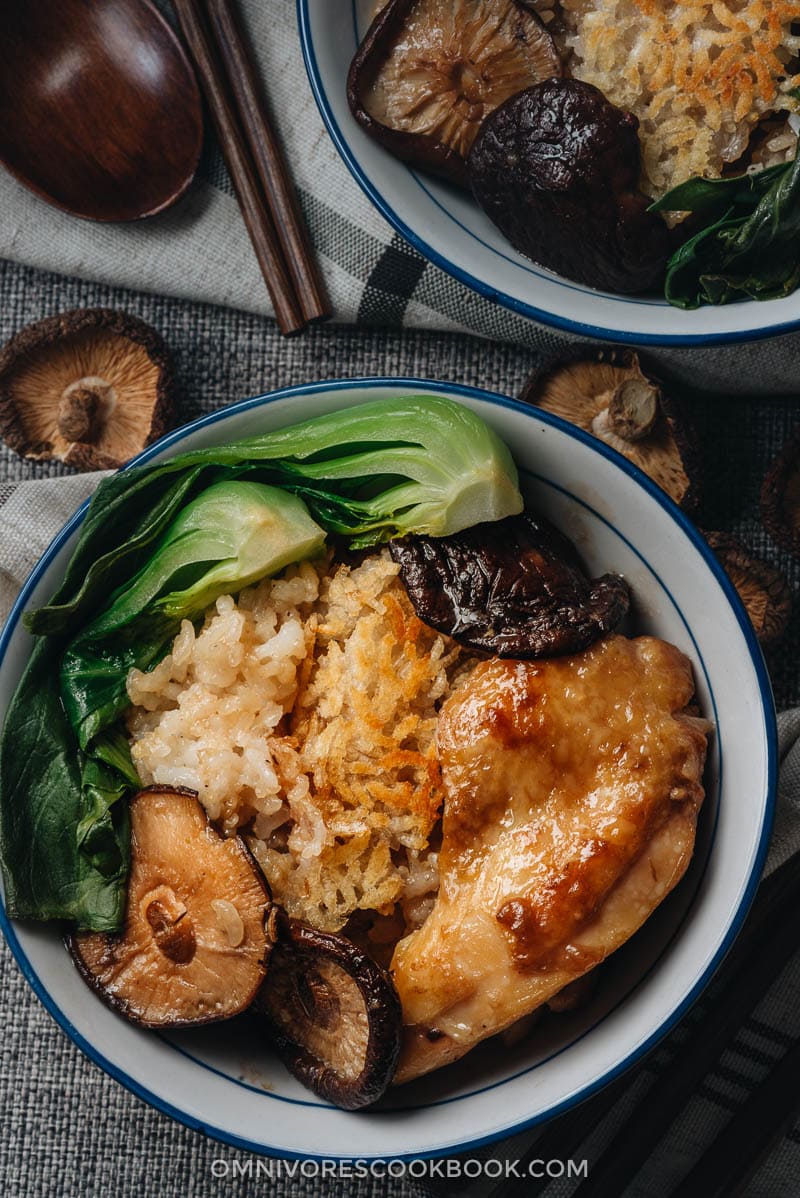
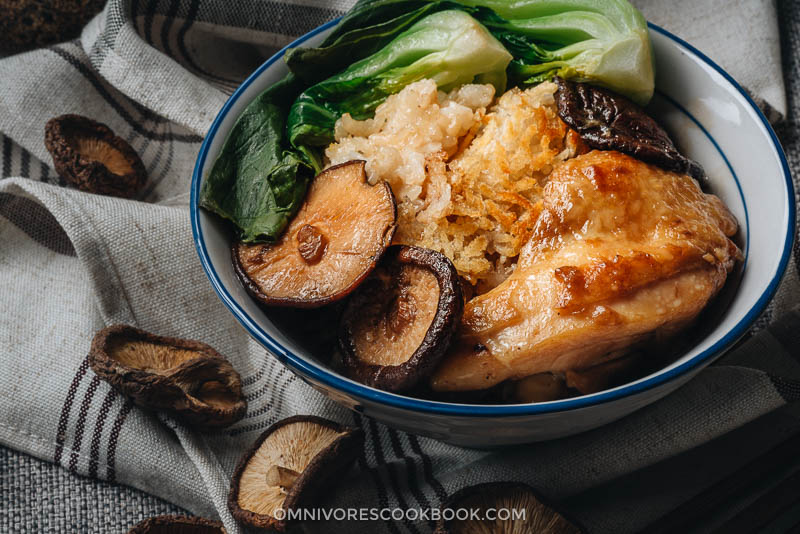
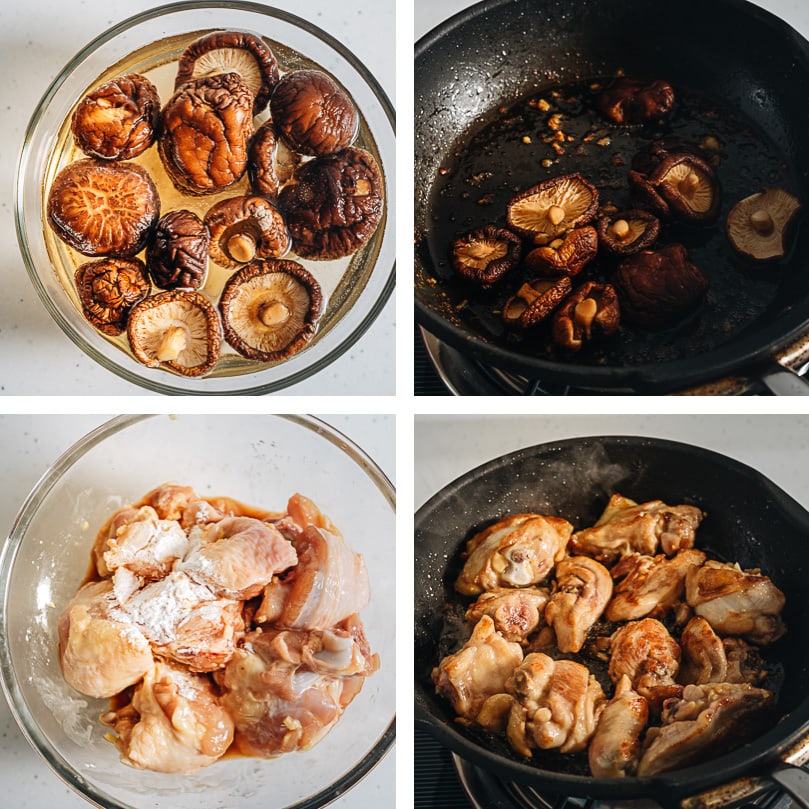
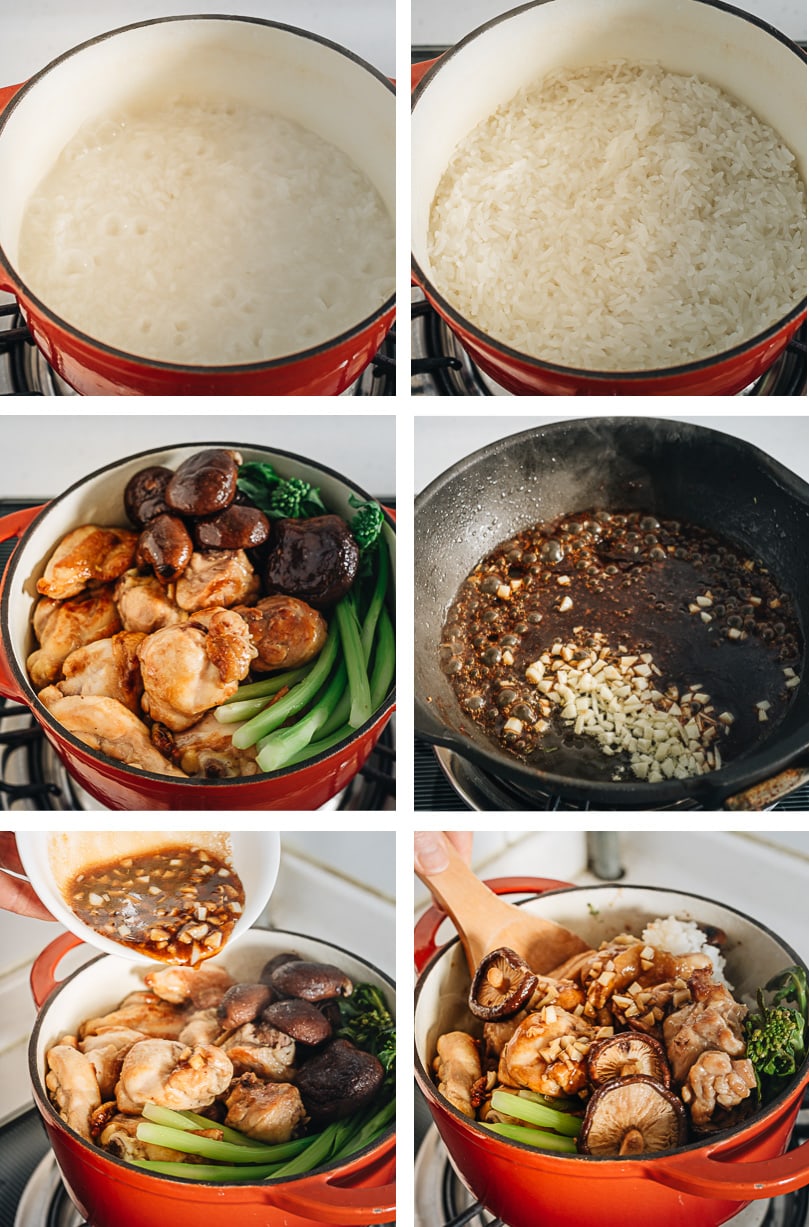
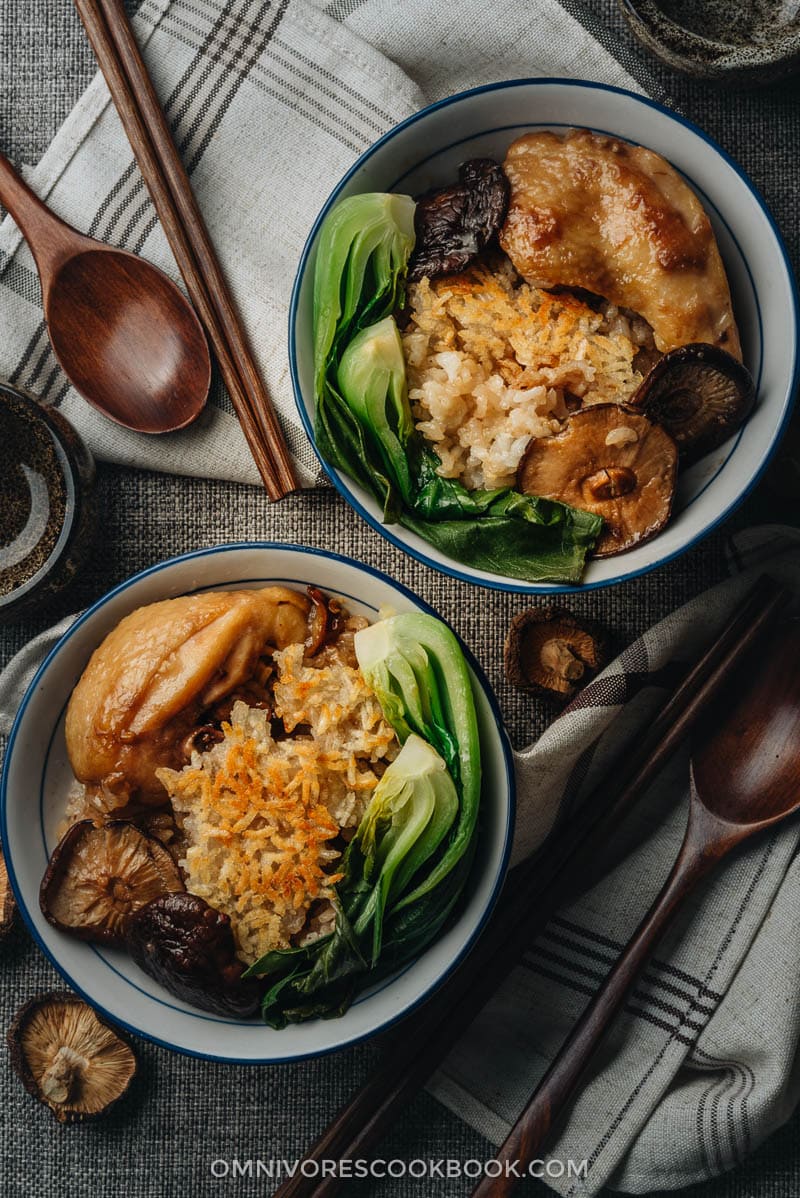
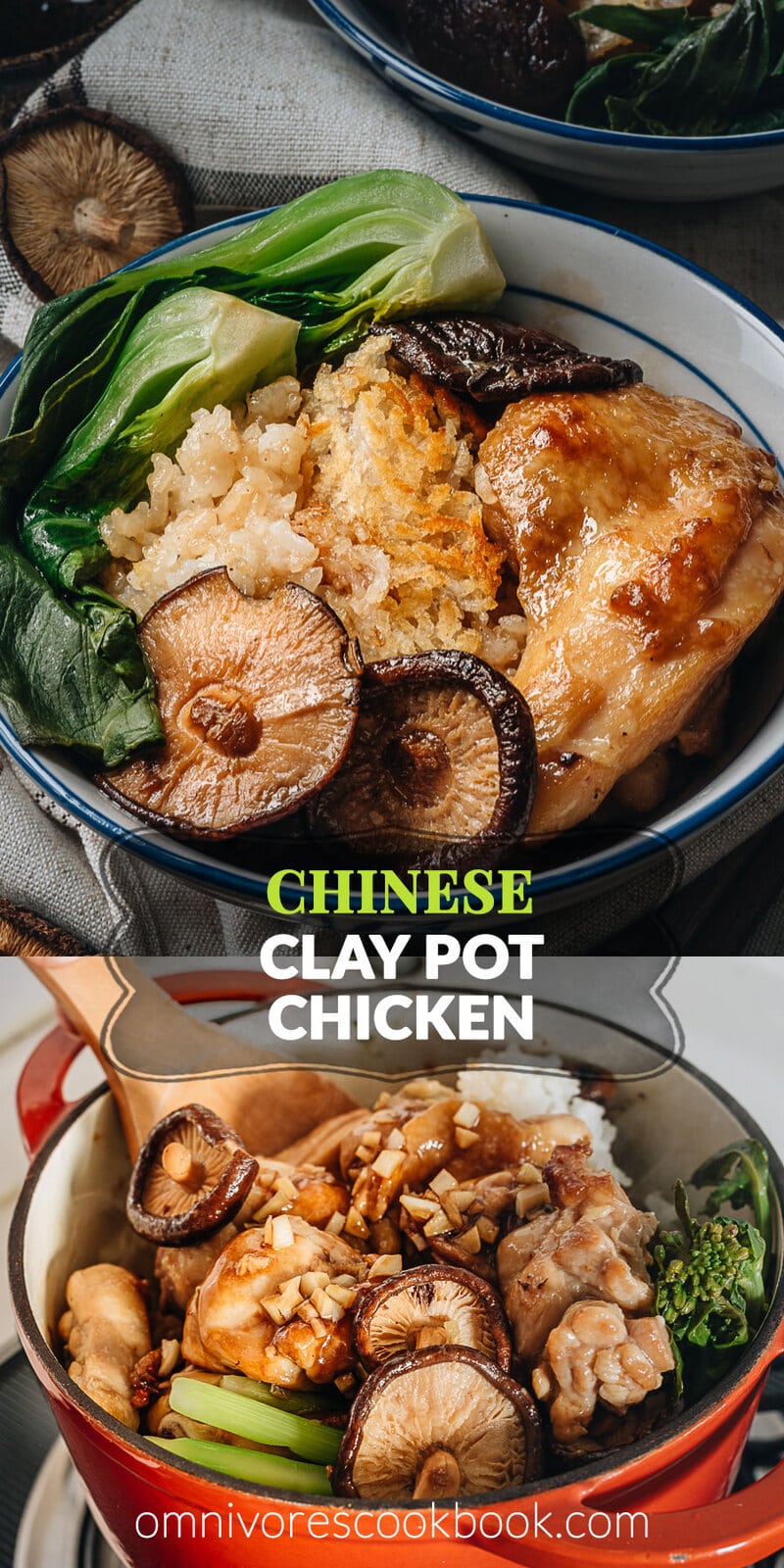
Clay pot rice (煲仔饭, bao zai fan) originated from Cantonese cuisine, but is now becoming popular throughout China. The term generally refers to rice with marinated meat and vegetables, cooked in one pot, then drizzled with a flavorful sauce. A perfectly cooked claypot rice has a great flavor of all the ingredients, with nicely crisped rice on the bottom of the pot. There are many types of clay pot rice, for example, pork ribs with black beans, Chinese sausage, salted fish, and even frog (unusual, but really delicious). When cooking a perfect clay pot rice, the trickiest part is to control the heat so that all the ingredients are cooked perfectly at the same time. On the flip side, you might end up with uncooked rice on the top, burnt rice on the bottom, the rice ending up like porridge, or the meat not cooked through. While I was doing research for this dish, I encountered two theories for cooking it. One theory is to cook everything together with the rice from the beginning, until cooked through (it is supposed to be the authentic way). The other theory is to cook the rice and meat separately. When the rice is half cooked, the meat and veggies are added to the rice. My recipe uses the second approach. The reasons behind this are:
Why this recipe
When I develop a recipe, I don’t sacrifice flavor in order to reduce the number of cooking steps. So you might find an easier clay pot chicken rice recipe than this one. But remember, sometimes you need to spend some time and energy to create a better flavor. I’ve tried my best to simplify the cooking process and reduce the total number of ingredients, while still achieving the best flavor. This way, you can:
Cook it without a clay pot or rice cooker Learn all the tips to avoiding uncooked, soggy, or burnt rice Finish prep and cooking in less than 1 hour (including soaking the rice) Create a super tasty one-dish meal with relatively few ingredients Use the cooking video below to go through the cooking process in 5 minutes
The doneness of the rice
If you have a kitchen scale, please use it to measure the rice. Although 1 cup of rice can generally be converted to 210 grams (7.4 ounces), my measurement somehow ended up with 1 cup of rice equaling 230 grams (8.1 ounces) for the rice I used. If you’re using a measuring cup instead of a kitchen scale, it won’t cause any serious issues, but the rice might end up a bit softer. Adjust the amount of water according to the ingredients you’re using, because the ingredients themselves contain water and will add extra moisture to the rice. For example, if you add more green vegetables than called for in the recipe, you might want to slightly reduce the amount of water. Even if you measure everything, you might still need to adjust the amount of water according to the cooking results, because there are so many factors affecting the doneness of the rice. For example, the type of grain, the type of stove, and the cooking equipment used all have an impact.
Cooking tips
Soak the rice for 30 minutes and drain. This is very important. It helps the rice cook through evenly. Use a dutch oven or heavy-bottomed pot. It will hold and disperse heat better, so the rice will cook evenly. In the end, I hope you won’t be scared away by this relatively long cooking note! If you try to cook this dish once, you’ll actually find that the cooking process is very easy and quick. Be prepared if the texture of the rice doesn’t come out perfectly the first time, though. If you have trouble with the doneness of the rice, please leave a note below and let me know your cooking process in detail, so I can help with troubleshooting.
More delicious one-pot dinner
Cantonese Ground Beef Rice and Eggs Steamed Salmon in Black Bean Sauce Chicken Udon Soup Korean Army Stew (Budae Jjigae) Teriyaki Chicken (Yoshinoya Copycat)
If you give this recipe a try, let us know! Leave a comment, rate it (once you’ve tried it), and take a picture and tag it @omnivorescookbook on Instagram! I’d love to see what you come up with.